Wood Privacy Fence Installation in the Chippewa Valley
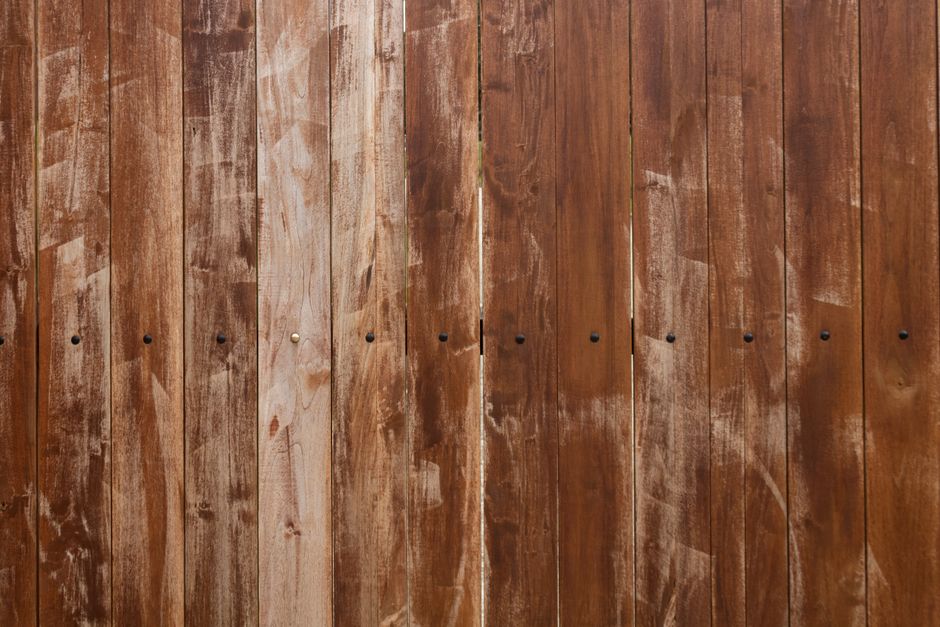
Wood remains one of the most requested fence materials in the Chippewa Valley, prized for its natural look, flexibility of style, and the way it blends into the wooded lots common around Eau Claire, Chippewa Falls, and Altoona. A wood privacy fence installation project can be built to almost any height or style allowed under local code, from a low picket border to a full privacy screen along a shared property line.
Wood species for Wisconsin fences
Two wood types account for most residential wood fence installation projects in the region: cedar and pressure-treated pine (often sold as pressure-treated southern yellow pine or spruce-pine-fir, depending on the supplier).
Cedar contains natural oils and tannins that resist rot, insect damage, and decay without chemical treatment. It's lighter than pressure-treated lumber, easier to work with, and takes stain evenly. Left unfinished, cedar weathers to a silvery gray; sealed, it holds its warm reddish-brown tone for years longer. Cedar typically costs more than pressure-treated lumber, but many homeowners consider the lower long-term maintenance worth the difference.
Pressure-treated wood is chemically treated, usually with a copper-based preservative such as ACQ (alkaline copper quaternary), to resist rot and insects. It's widely available, generally less expensive than cedar, and holds paint or solid-color stain well. The tradeoff is a tendency to warp, twist, or check as it dries if the lumber wasn't fully kiln-dried before installation — a detail worth asking about when comparing suppliers.
A side-by-side comparison of how these two materials perform, including where each one makes more sense for a given yard, is covered in Cedar vs. pressure-treated wood.
Privacy fence styles
"Privacy fence" describes several distinct board layouts, each with different sightline and airflow characteristics:
- Solid/stockade — boards butted tightly edge-to-edge on one side of the rails, with no gap between them. Maximum privacy and wind resistance, but a flat face on one side and a rail-and-post face on the other.
- Board-on-board — boards alternate sides of the rails and overlap slightly, so there's no direct sightline through the fence from either side. Both faces look finished, which makes it a common choice on shared property lines.
- Shadowbox — similar to board-on-board but with a small gap between alternating boards, giving semi-privacy and better airflow. Popular where a neighbor or homeowners' association wants a "good neighbor" look from both sides.
- Lattice-top — a solid or semi-private lower section topped with an open lattice panel, trading a few inches of height for a lighter, less imposing look near the top of the fence.
Wood privacy fence styles compared goes through the visual and practical differences between these layouts in more detail.
Picket styles and trim details
Beyond the overall privacy layout, wood fences vary in picket top shape and trim. A dog-eared picket (corners clipped at an angle) sheds water better and softens the look of a stockade fence, while a flat-top or pointed French Gothic top does more to complement a specific architectural style. A cap rail across the top of the posts and pickets is common on privacy fences, both for appearance and to keep water from pooling in the end grain of vertical boards — one of the more common places rot starts if a fence goes unsealed for several years.
What a wood fence installation project involves
Installation starts with confirming the property line and checking for any easements, then laying out post locations. In Wisconsin, digging postholes counts as excavation under state law, so a call to the state's one-call notification system is required before any digging begins — the fence installation page covers that requirement along with the permit thresholds, height limits, and setback rules that apply in each Chippewa Valley municipality.
Posts are set in concrete footings below the frost line, since Wisconsin's freeze-thaw cycle can heave a shallow post out of the ground over a few winters. Rail count (typically two or three horizontal rails between posts) generally increases with fence height to keep a panel from racking. Fasteners matter more in this climate than many homeowners expect: uncoated steel screws or nails streak and stain wood as they corrode, so stainless or hot-dip galvanized fasteners are the standard for exterior wood fence work.
Site prep and grading
Sloped and uneven lots are common throughout the Chippewa Valley's hills and river bluffs, and a wood fence installation project has to account for grade changes with either stepped panels (each section stair-steps down the slope, keeping horizontal rails level) or racked panels (rails follow the slope at an angle). Stepped panels tend to suit taller, more formal privacy fences; racked panels are more common on lower or more open fence lines. Either approach requires more layout time than a flat, level lot, which is worth factoring into scheduling expectations.
How long a wood fence lasts, and what it takes to maintain
Lifespan depends heavily on wood species, fastener choice, and how consistently the fence is sealed or stained. How long does a wood fence last in Wisconsin winters breaks down the realistic range for both cedar and pressure-treated installations under Chippewa Valley winter conditions, including how snow load and freeze-thaw movement affect posts over time.
Because wood is a maintained material rather than a "set it and forget it" one, most owners settle into a staining or sealing schedule within the first year or two. Wood fence maintenance and staining schedule lays out how often that upkeep is typically needed and what it protects against.
Wood vs. vinyl
Wood and vinyl are the two most common privacy-fence materials requested in the Chippewa Valley, and the right choice usually comes down to maintenance tolerance, budget, and aesthetic preference rather than performance alone. Wood vs. vinyl: which is right for your yard walks through that comparison directly, and the vinyl fence installation page covers vinyl's material properties and style options in the same depth as this page covers wood.
Requesting a quote
Every wood fence installation project is different — lot size, existing grade, gate count, and the municipality's permit and height rules all factor into scope. Call (914) 530-6133 or use the quote request process on the contact page to describe a project; that page also covers the service areas this reaches across the Chippewa Valley. A quote request carries no cost or obligation.