Pet Fencing for Dogs and Other Pets
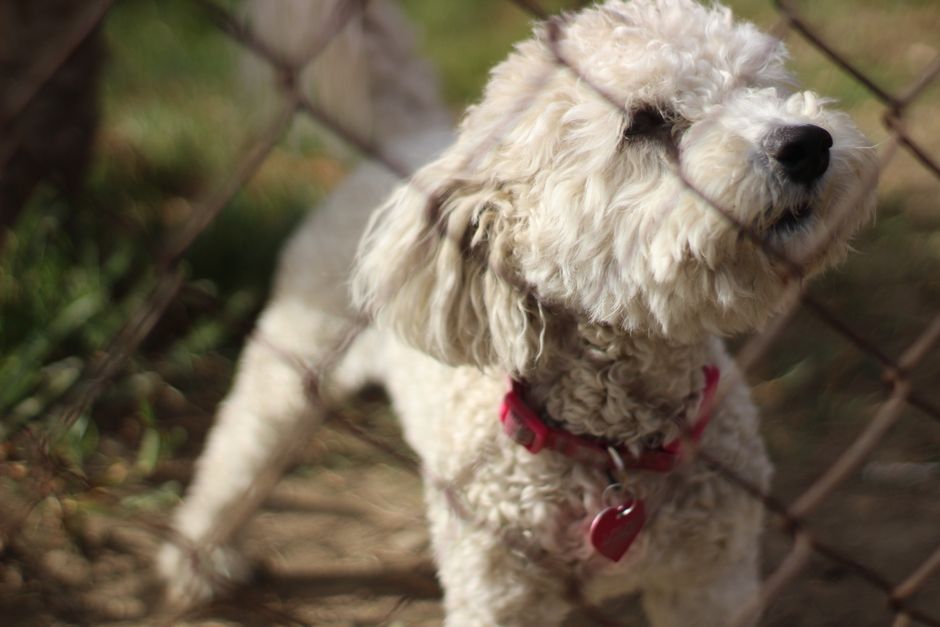
Keeping a dog or other pet safely contained is one of the most common reasons homeowners in the Chippewa Valley add a fence at all — ahead of privacy, ahead of curb appeal, sometimes ahead of every other reason on the list. What makes a fence work well for pet containment isn't always the same thing that makes it work well for privacy or looks, so it's worth thinking through the specifics before picking a material.
What Matters for Pet Containment
A privacy fence built to block sightlines and an enclosure built to hold a determined dog are solving two different problems, even though the same fence often has to do both. For containment specifically, three things matter most: how tightly spaced the pickets or mesh are (a gap a small dog can squeeze through defeats the fence regardless of height), how the fence meets the ground (a gap at the bottom is an invitation to dig or slip under), and gate hardware that closes and latches reliably every time, since a gate left ajar undoes everything else about the fence.
Fence Types by Pet Situation
- Wood privacy fencing works well for most dogs because there's no picket spacing to squeeze through and no sightline to bark at neighbors or passing traffic through — it also blocks visual triggers that keep some dogs reactive at a fence line.
- Chain link is a practical, economical containment option for most dog sizes, though a small enough gap between the fabric and the ground, or a low enough fabric gauge, matters more here than with a solid fence, since chain link doesn't hide what's on the other side the way wood does.
- Vinyl offers the same solid-panel containment benefit as wood without the maintenance, which matters over a fence's full service life, not just at installation.
- Aluminum and ornamental fencing has picket spacing similar to chain link rather than a solid panel, so it suits larger dogs better than small ones unless the spacing is chosen with that in mind — best fence types for dogs and other pets goes into more detail on matching a specific fence style to dog size and temperament.
Dogs That Dig or Jump
Some dogs test a fence in ways that height alone doesn't solve. A digger will work at the base of a fence line rather than trying to go over it, and the usual response is extending the barrier below grade or adding a buried edge along the fence line rather than relying on the visible fence height alone. A jumper or climber is the opposite problem — height and a smooth interior surface (nothing a paw can get a grip on) matter more than what's happening at ground level. Both are worth mentioning to whoever quotes the fence, since the fix is usually a design detail added to the fence as it's built, not something bolted on afterward.
Other Pet-Fencing Options
Beyond a standard perimeter fence, some homeowners use an electronic or "invisible" containment system — a buried or above-ground wire paired with a receiver collar — either as a standalone solution or alongside a visible fence, particularly on larger lots where fencing the entire perimeter isn't practical. These systems work differently from a physical fence and depend on the pet's training and temperament to be effective, which is worth weighing against a physical barrier before deciding which approach fits your yard and your pet.
Multiple Pets and Shared Yard Space
A yard with more than one dog, or a mix of pets with different sizes and temperaments, sometimes needs more than a single perimeter fence to work well. A larger, more assertive dog and a small or older dog sharing the same yard may need a separate run or partition inside the main fence line so they aren't forced to share space they can't safely share unsupervised. Multiple gates, placed with pet movement in mind rather than just human convenience, also make a real difference day to day — a gate positioned so it's second nature to close behind you gets left open far less often than one that's awkward to reach.
Gate Placement and Visibility
Where a gate sits relative to the street, a driveway, or a neighboring yard matters as much for pets as it does for security. A gate facing a busy street is a bigger risk if it's ever left open than one tucked along a side yard, and a fence with good sightlines from inside the house makes it easier to keep track of a pet in the yard without stepping outside every time. These are worth thinking through as part of the overall layout rather than treating gate placement as an afterthought once the rest of the fence line is decided.
Permits and Placement
A pet-containment fence is still subject to the same general permit, height, and setback rules covered on the fence installation page — worth checking before finalizing height or placement, especially if a taller-than-typical fence is being considered specifically to contain a jumper.
Requesting a Quote
Submitting the quote form connects you with a local fence contractor who can recommend a fence type suited to your specific pet and yard layout. This site serves the Chippewa Valley service area, including Eau Claire, Chippewa Falls, Altoona, Lake Hallie, Fall Creek, and Menomonie. Call (914) 530-6133 or visit the contact page to request a quote.