Fence Replacement in the Chippewa Valley
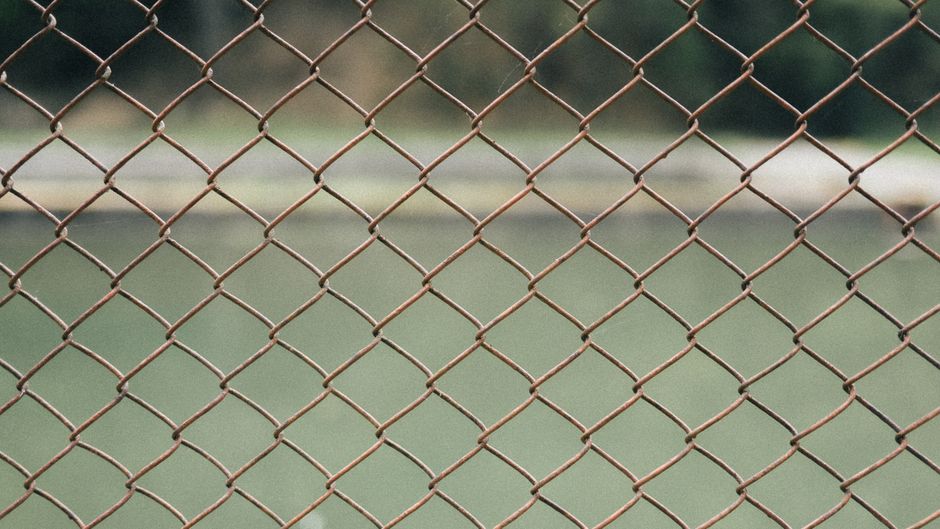
Some fences reach a point where patching individual sections no longer makes sense. Posts have heaved or rotted across most of the run, the material itself has aged out, or the layout no longer fits how the property is used. Fence replacement covers removing what's there now and installing a new fence in its place — sometimes in the same material, sometimes a change entirely, like swapping an aging chain-link run for wood privacy panels or vinyl.
When Replacement Makes More Sense Than Repair
A fence is generally past the point of economical repair when the damage is spread across the majority of the line rather than isolated to one or two sections — several posts heaved or rotted, panels failing in multiple places, or a chain-link fabric that's stretched and sagging along its full length rather than at one weak point. Age matters too: a fence nearing the end of its material's typical service life is a candidate for full replacement even if it isn't visibly falling apart yet, since the next failure is only a matter of time. Signs your fence needs repair vs. replacement covers this distinction in more detail, and fence repair is the better fit when the damage is limited to individual components on an otherwise sound fence.
What Old Fence Removal Involves
Removing an existing fence means pulling out the old fabric or panels, then dealing with the posts themselves. Wood and metal posts set in concrete footings are typically the slowest part of removal, since the footing has to come out or be broken up rather than just pulled. Where a fence line has been in place for years, it's common to find posts set deeper or with larger footings than the original installation drawings would suggest, which is one reason removal timelines are harder to estimate from a description alone than from an in-person look at the property.
Disposal of the old material — old lumber, chain-link fabric, vinyl panels, or metal posts — is part of the removal scope on most jobs, and it's worth confirming with whoever quotes the work whether removal and haul-away are included or handled separately from the new installation.
Planning the New Fence
Once the old fence is out, replacement follows the same planning steps as any new fence installation: confirming the property line and any easements, checking local height and setback rules for the municipality the property sits in, and — since a new fence usually means new post holes — having the site checked for buried utility lines before any digging starts. If the replacement changes the fence's footprint at all, even along a line where a fence has existed for years, it's worth re-confirming the property line rather than assuming the old fence was placed correctly to begin with.
Replacing a fence in the same location, at the same height and material, is sometimes treated differently by local code than installing a fence somewhere new, but not always — a change in height, material, or footprint can trigger the same permit review a brand-new fence would need. The fence installation page above covers the specific thresholds by municipality across the Chippewa Valley.
Choosing a New Material
Replacement is also a natural point to reconsider material rather than defaulting to what was there before. A property that had chain link installed decades ago might be a better fit now for wood privacy panels, vinyl, or an ornamental aluminum style, depending on what the fence needs to do — screening, containment, curb appeal, or some combination. There's no requirement to match the old fence, and in many cases the reason a fence is being replaced (rot, rust, a style that no longer suits the property) is also the reason to pick something different this time.
What to Expect During the Removal and Install
A replacement project runs longer than a straightforward new installation on open ground, mostly because of the removal step at the front end. Old footings, buried debris from a prior fence, and roots or landscaping that have grown up around the existing line all add time that a brand-new installation on bare ground wouldn't need. It's also worth walking the property line with whoever quotes the job before removal starts, especially where landscaping, sprinkler lines, or a neighbor's own fence or plantings sit close to the old fence — knowing what's near the line ahead of time avoids surprises once the old posts start coming out.
Access matters too. A fence replacement along a shared boundary or a narrow side yard sometimes needs a brief conversation with a neighbor about equipment access, even when the work stays entirely on your side of the line. Working that out before the crew arrives keeps the project moving and avoids delays mid-job.
Salvaging Usable Material
Not everything from an old fence has to go in the dumpster. Posts that are still structurally sound, gate hardware in good condition, or sections of fabric or panel that could serve a secondary purpose elsewhere on the property are sometimes worth setting aside rather than hauling away with the rest of the old material. Whether that's worth doing depends on the specific fence and what condition the reusable pieces are actually in — something worth raising with the contractor scoping the job rather than assuming it either way.
Requesting a Quote
Submitting the quote form connects you with a local fence contractor who can assess the existing fence, scope the removal, and quote the new installation together. This site serves the Chippewa Valley service area, including Eau Claire, Chippewa Falls, Altoona, Lake Hallie, Fall Creek, and Menomonie. Call (914) 530-6133 or visit the contact page to request a quote.