Pool Fencing in the Chippewa Valley
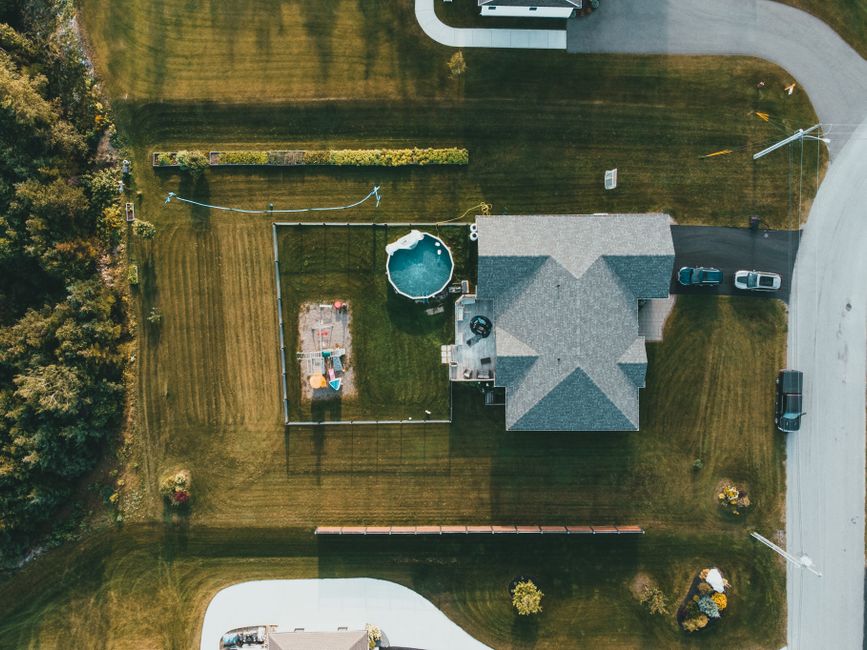
Anyone researching pool fencing in Wisconsin runs into the same confusing search results: a state rule that clearly requires a 5-foot barrier around a pool, and no clear answer on whether it applies to a backyard pool at a private home. It's worth stating precisely, because the two most common ways to read that rule are both wrong.
What Wisconsin's Pool-Fence Rule Actually Covers
Wisconsin's only pool-fence rule is ATCP 76.34(3), which requires a barrier at least 5 feet high enclosing the pool area. That rule sits inside Chapter ATCP 76, and SPS 390.02 confirms the scope of this whole area of code: it applies to the design and construction of public swimming pools and water attractions — pools at hotels, campgrounds, apartment complexes, waterparks, and similar public or semi-public facilities.
That scope means there is no state barrier rule for a residential backyard pool at a private home in Wisconsin. That's a real, confirmed gap in state code — not an oversight in this summary. But it does not mean a residential pool has no fencing requirement at all. Whether your backyard pool needs a barrier, and what that barrier has to look like, is a local zoning or ordinance question, decided city by city rather than by the state. Research for this site did not turn up a specific residential pool-fence ordinance for any of the six communities served here — Eau Claire, Chippewa Falls, Altoona, Lake Hallie, Fall Creek, or Menomonie — which means the right move is to check directly with your municipality's zoning or building department before installing or skipping a pool fence, rather than assuming either that a fence is required or that it isn't.
Why Fencing a Pool Is Worth Doing Anyway
Even where no local ordinance specifically addresses it, a barrier around a backyard pool is one of the more common reasons homeowners in this region add or upgrade a fence. A pool represents a real drowning risk for young children and pets from neighboring properties as well as your own household, and a continuous barrier around the pool area — separate from a perimeter fence around the whole yard, if the yard fence has gaps at a gate or house wall — closes off casual, unsupervised access. This is also a case where checking with your homeowner's insurance carrier is worth doing independently, since some insurers set their own pool-fencing expectations as a condition of coverage, separate from anything in local code.
Fence Styles That Work Well Around Pools
Aluminum and ornamental fencing is a common choice around pools because it doesn't corrode the way steel does when it's splashed with chlorinated water, it doesn't require the sealing or staining a wood fence needs, and its narrow picket spacing gives you a clear sightline into the pool area from the house — useful for keeping an eye on the water. It also comes in heights that can meet or exceed a 5-foot barrier if your local ordinance calls for one. Vinyl is another low-maintenance option worth considering for the same reasons, and both hold up well against the moisture and pool chemicals a wood fence would otherwise need extra protection against.
Aluminum fencing for pools goes into more depth on picket spacing, gate self-closing hardware, and height options for pool enclosures specifically, and does my pool need a fence in Wisconsin? covers the state-versus-local distinction above in more detail.
Gates and Access Points
The gate is usually the weakest point in any pool barrier, since the fence itself only does its job if the gate closes and latches every single time. A self-closing hinge and a self-latching mechanism set above a child's reach are the two features that matter most for a pool gate specifically, more so than for an ordinary yard gate, because a pool gate left propped open even briefly defeats the barrier entirely. If the pool area has more than one access point — a gate from the house patio and a separate gate from the side yard, for instance — both need the same self-closing, self-latching treatment, since a barrier is only as good as its weakest opening.
A Fence Is One Layer, Not the Only One
Even a well-built barrier fence works best as one layer of pool safety rather than the only precaution. Door alarms on any house door that opens directly onto the pool area, a rigid pool cover when the pool isn't in use, and active supervision whenever children are near the water are all commonly recommended alongside a physical barrier, not instead of one. None of those are fencing questions specifically, but they're worth factoring into an overall pool-safety plan alongside whatever barrier you install.
Permits and Placement
A pool fence is still a fence for permit purposes in most municipalities, which means the same general permit, height, and setback questions covered on the fence installation page apply — check that page for the requirements in your specific municipality before finalizing a layout, especially if the fence will sit close to the property line or a vision triangle at a corner lot.
Requesting a Quote
Submitting the quote form connects you with a local fence contractor who can help work out the right barrier height and style for your pool, and confirm what your municipality requires before the job starts. This site serves the Chippewa Valley service area, including Eau Claire, Chippewa Falls, Altoona, Lake Hallie, Fall Creek, and Menomonie. Call (914) 530-6133 or visit the contact page to request a quote.