Chain Link Fence Installation in the Chippewa Valley
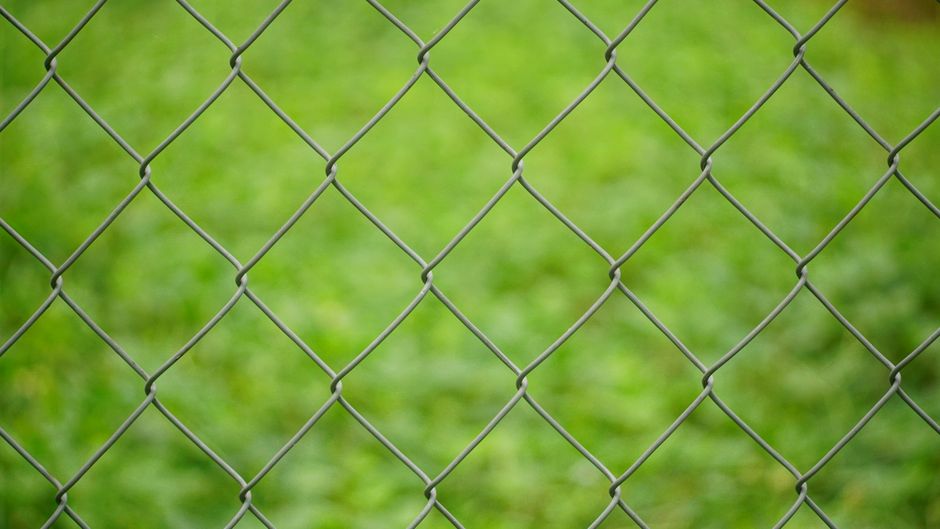
Chain link is one of several practical fence materials available for Chippewa Valley properties, and it remains a common choice for yards, dog containment, side and rear property lines, and rental properties where a functional, lower-maintenance boundary matters more than a decorative one. Like wood, vinyl, and aluminum, chain link fence installation follows the same permit and setback rules that apply to any fence material in a given municipality — the material itself doesn't change what's allowed where.
What chain link fencing is made of
Chain link fabric is steel wire woven into a diamond-mesh pattern, then either galvanized (coated in zinc to resist corrosion) or coated again in vinyl/PVC over the galvanized wire for additional weather protection and, often, a color option beyond bare galvanized silver. Coated vs. galvanized chain link covers how the two finishes differ in appearance, durability, and upkeep.
The fabric is supported by a framework: terminal posts at corners, ends, and gates (which bear more load and are typically a heavier gauge), line posts at regular intervals along straight runs, a top rail connecting the line posts, and tension wire or tension bands that keep the fabric taut against the frame. Wire gauge — the thickness of the wire used in the mesh — is described by a number that runs in the opposite direction from what many homeowners expect: a lower gauge number means thicker, stronger wire. Residential chain link most commonly uses 11- or 11.5-gauge wire; 9-gauge is a heavier option chosen where more durability is wanted. Chain link height and gauge options goes through how gauge and mesh size affect strength and appearance.
Common uses
Chain link's combination of visibility, durability, and lower material cost makes it a practical fit for a specific set of situations rather than a universal choice: containing dogs in a yard, marking a rental property boundary where a lower-maintenance material makes sense between tenant turnovers, defining a property line without blocking sightlines, or enclosing a side or rear yard where privacy isn't the goal. Chain link fence uses: yards, dogs, rentals covers these use cases in more detail.
Cost considerations
Chain link is generally one of the lower-cost fence materials to install, largely because the material itself costs less than wood, vinyl, or aluminum panels, and installation typically moves faster along a straight run. Actual cost still depends on linear footage, gauge and coating choice, gate count and type, terrain, and whether an old fence needs to be removed first — the same variables that affect any fence material. Is chain link the most affordable fence option? looks at how it actually compares to other materials once those variables are accounted for.
Installation basics
Chain link fence installation follows the same groundwork as any other material: confirming the property line, checking for easements or vision-triangle restrictions at corner lots, and calling the state's one-call notification service before digging any post holes. See fence installation for the permit thresholds and height rules that apply across Eau Claire, Chippewa Falls, Altoona, and Menomonie, since those requirements apply to chain link the same way they apply to any other fence material.
Terminal posts are set in concrete footings below the frost line and typically sized larger than line posts, since they carry the tension load of the entire fabric run and any gate weight. Line posts are set at regular intervals and support the top rail and tension wire that keep the fabric from sagging over time. On sloped ground, chain link fabric can generally follow the grade in a continuous rack rather than stepping down like a solid panel material, since the open mesh doesn't need to stay level to function.
Fence fabric height and mesh options
Beyond gauge, chain link is also specified by mesh size (the width of each diamond opening) and overall fabric height. A tighter mesh generally means a slightly heavier, more rigid fabric for the same gauge wire, while a wider mesh is more common on taller, lower-cost fabric runs. The right combination of height, mesh, and gauge depends on what the fence needs to contain or keep out — a dog-containment yard has different requirements than a utility or rear-property-line run.
Privacy slats and screening options
Chain link's open mesh can be modified for partial privacy using inserted slats — thin vertical or diagonal strips woven through the fabric, available in colors that match or contrast with the fabric itself. Slats reduce visibility through the fence and cut down on wind-driven noise, though they don't fully replace a solid wood or vinyl panel, and the added wind load they create is something the framework has to be sized to handle rather than bare open mesh. This flexibility is one reason chain link shows up on rental and commercial properties as often as it does: a single material can move from a fully open, low-cost boundary to a partially screened one without switching to a different fence system.
Gate options for chain link fencing
Chain link gates use the same tubular steel or aluminum frame construction as the fence's terminal posts, with fabric stretched across the frame and standard fork-latch or plunger-style hardware. Because a chain link gate is lighter than a solid wood or vinyl gate panel of the same width, gate posts don't need to be oversized to the same degree they would for a heavier material — one of the few places chain link's lighter overall weight simplifies installation rather than complicating it.
Choosing chain link vs. other materials
Chain link isn't the right fit for every property — it doesn't provide privacy, and its appearance is more utilitarian than wood, vinyl, or aluminum fencing. It remains the practical choice where visibility, cost, and durability matter more than a finished decorative look: dog containment, rental properties, and utility or side-yard boundaries are the situations where it's requested most often in the Chippewa Valley.
Requesting a quote
Chain link fence installation scope depends on linear footage, gauge and coating choice, gate count, and terrain. Call (914) 530-6133 or use the quote request process on the contact page to describe a project; that page also covers the service areas this reaches across the Chippewa Valley. A quote request carries no cost or obligation.