Coated vs. Galvanized Chain Link Fence
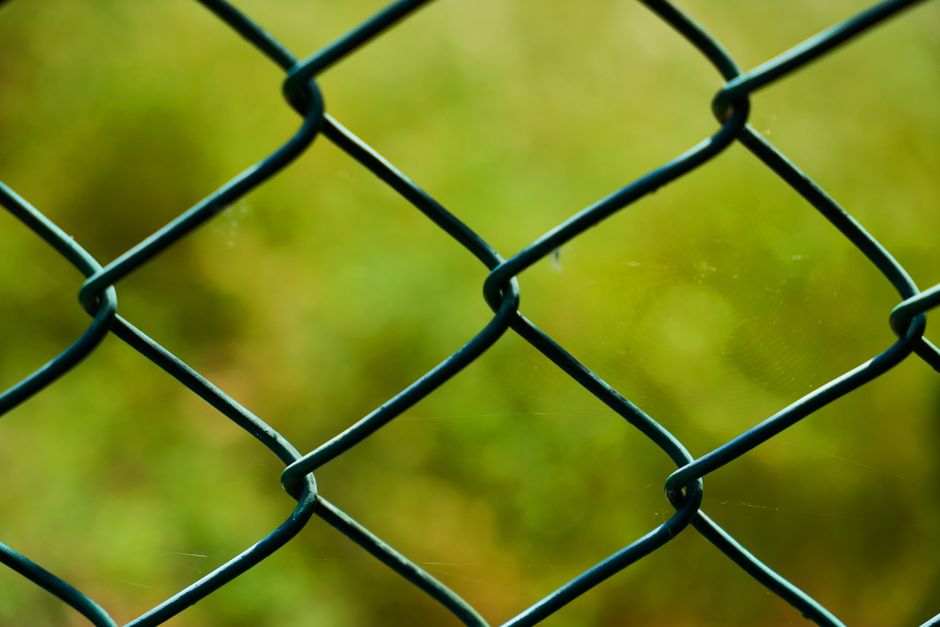
Two coatings, same core wire
Most residential chain link fabric starts as steel wire woven into the familiar diamond mesh pattern. What differs — and what most affects durability, appearance, and cost — is the coating applied over that steel core. The two most common options are galvanized (zinc) coating and vinyl (PVC) coating over a galvanized core; aluminized coatings appear less often in residential settings but are worth knowing about.
Galvanized chain link
Galvanizing coats the steel wire in zinc, which protects the steel from rust by corroding preferentially itself — the zinc layer sacrifices itself to the elements so the steel underneath doesn't rust as quickly. Galvanized coating weight is measured in ounces of zinc per square foot of wire surface, commonly referenced against ASTM A392 coating classes: a lighter coating class for standard residential use, and a heavier coating class intended for harsher exposure or a longer service-life expectation. A heavier zinc coating generally means better long-term corrosion resistance, at a higher material cost.
Galvanized fabric has a silver-gray appearance that's familiar as the "standard" chain link look. It's typically the lowest-cost coating option and has a long track record — it's been the default residential chain link coating for decades.
Vinyl-coated (PVC-coated) chain link
Vinyl-coated fabric starts with the same galvanized steel core, then adds a layer of PVC coating over it, usually in black, green, brown, or white. The coating serves two purposes: it adds a second layer of corrosion protection over the zinc, and it changes the fence's appearance from bare metal to a solid color that tends to blend into landscaping more than bare galvanized wire does. Black, in particular, has become a popular choice because it reads as less visually prominent along a property line than silver-gray fabric.
Vinyl coating adds cost over bare galvanized fabric — a meaningful premium for the fabric itself, since the coating is an added manufacturing step over the base galvanized wire. It's worth confirming with a supplier or installer whether a quoted wire diameter refers to the bare steel core or the finished, coated diameter — the coating adds measurable thickness, so comparing two quotes by "wire gauge" alone can be misleading if one figure includes the coating and the other doesn't.
Aluminized chain link
Aluminized coatings use aluminum instead of zinc as the protective layer. Aluminum coatings tend to offer stronger resistance to certain types of corrosion — particularly in coastal or high-salt environments — than standard galvanizing, though this matters less in an inland climate like the Chippewa Valley than it would near saltwater. It's less commonly stocked for residential jobs than galvanized or vinyl-coated fabric.
Choosing between them
For a straightforward yard boundary or containment fence where appearance isn't the top priority, galvanized fabric remains the most common and most economical choice. For a fence where blending into the landscape matters more — along a more visible front or side yard, for instance — vinyl-coated fabric's color options are the more common upgrade. Coating choice is independent of height and gauge choice; either coating is available across the standard range of residential heights and wire gauges, so the two decisions can be made separately based on what each one is solving for.
What to check on a coated sample
A vinyl coating is only as good as its adhesion to the wire underneath. On a sample or an already-installed fence, it's worth looking for coating that's fully bonded to the wire rather than loose or bubbled at the diamond crossings, since a poorly bonded coating can start peeling well before the fence has any structural problem. Cut ends of the fabric are also worth a look — a quality installation trims and caps cut ends so bare steel isn't left exposed at the top or bottom of the fabric, which is where a coating failure most often starts.
Matching coating to what's nearby
Coating choice can also depend on what the fence is next to rather than the yard as a whole. A run bordering a garden bed treated with fertilizer or other lawn chemicals may hold up differently over time than a run in an untreated part of the yard, since some chemical exposure can affect coating and finish over many seasons. This is a minor factor next to overall climate exposure, but it's a reasonable question to raise with an installer for a fence that will sit next to heavily treated landscaping.
A note on appearance over time
Galvanized fabric can develop a duller, weathered look as the zinc coating wears over many years, while a good vinyl coating tends to hold its color longer since the PVC layer is less exposed to direct wear than the metal it protects. Neither material needs the periodic refinishing that a stained or painted wood fence does — the difference between the two coatings is mostly about upfront appearance and cost, not ongoing maintenance.
Request a quote for a chain link fence
Submitting a quote request is a way to compare galvanized and vinyl-coated options for a specific property, for chain link fencing.