Aluminum Fence Installation in the Chippewa Valley
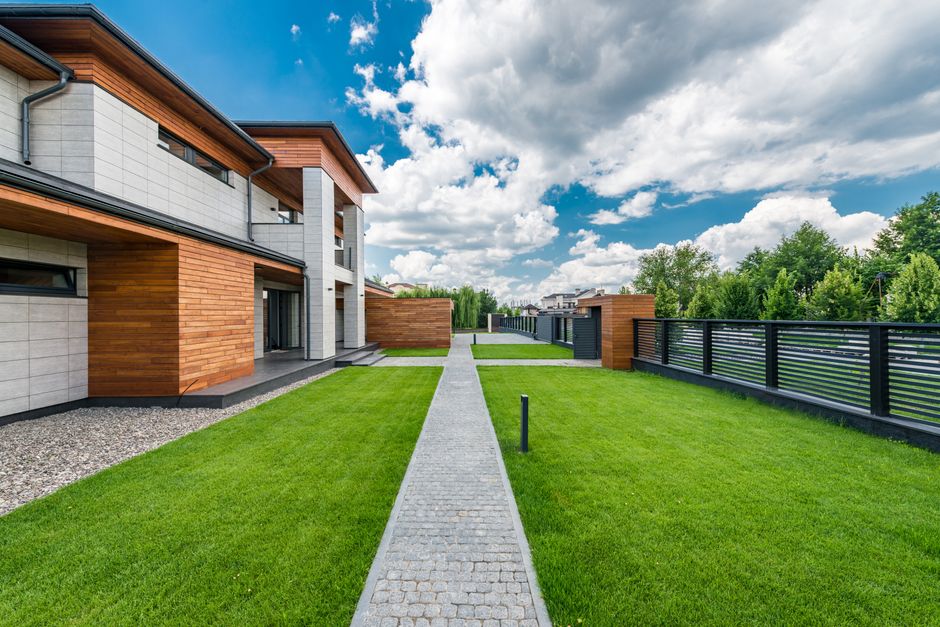
Aluminum has become the standard modern alternative to wrought iron for ornamental fencing — it gives a similar decorative, open-picket look without the rust and repainting that wrought iron eventually requires. Aluminum fence installation is used for front yards, pool enclosures, and any property line where an open, decorative boundary is preferred over a solid privacy fence.
What aluminum fencing is made of
Residential ornamental aluminum fence panels are extruded from aluminum alloy, then finished with an electrostatically applied powder coating that's baked on for durability. Unlike paint, powder coating forms a hard, even finish that resists chipping and fading better than a sprayed or brushed paint layer, which is part of why aluminum fencing holds its color with very little upkeep for years.
Aluminum itself doesn't rust the way iron or steel does — exposed to air, it forms a thin, stable oxide layer on its surface that protects the metal underneath rather than flaking away and exposing fresh metal to keep corroding, which is the failure pattern that eventually rusts out wrought iron. Does aluminum fencing rust? covers what can still go wrong at cut edges, welds, or coating damage, and how that differs from ordinary rust.
Aluminum vs. wrought iron
Wrought iron predates aluminum as the classic ornamental fence material, and it's still available, but it requires regular repainting to stay ahead of rust and is significantly heavier and more expensive to fabricate and install. Aluminum was developed largely to solve those two problems while keeping a similar decorative appearance. Aluminum vs. wrought iron fencing goes through the tradeoffs in more depth, including where wrought iron's extra weight and rigidity still make it the preferred choice.
Styles and heights
Ornamental aluminum comes in a range of picket styles and top treatments:
- Flat-top — pickets end in a simple flat cap, a cleaner and less formal look.
- Spear-top / finial-top — pointed or decorative finials on each picket, the look most associated with traditional wrought-iron style fencing.
- Puppy-picket / pool-style spacing — narrower gaps between pickets than standard ornamental spacing, most often chosen for yards with small pets or pool enclosures where a tighter opening matters.
Aluminum fence height and picket spacing options, and which styles pair with which use case, are covered in Aluminum fence styles and heights. Any specific height and setback limit still comes from the municipality where the property sits, not from the fence material — see fence installation for the permit and height rules that apply across Eau Claire, Chippewa Falls, Altoona, and Menomonie.
Aluminum fencing for pools
Aluminum's narrow picket spacing options, rust resistance in a wet environment, and open sightline — which doesn't block visibility the way a solid privacy fence does — make it one of the more commonly requested materials for pool enclosures. Aluminum fencing for pools covers what to look for in a pool-appropriate aluminum fence, including self-closing and self-latching gate hardware, which matters more around a pool than on a standard yard fence.
Installation basics
Aluminum fence installation follows the same groundwork as any other material: confirming the property line, checking for easements or corner-lot vision-triangle restrictions, and calling the state's one-call notification service before digging any post holes. Posts are set in concrete footings below the frost line; because aluminum panels are manufactured to fixed widths similar to vinyl, sloped lots typically call for stepped installation rather than a continuously racked rail.
Aluminum's main practical advantage during installation is weight: panels and posts are substantially lighter than wrought iron or masonry alternatives, which generally allows for a faster install on a straight run once posts are set and cured.
Color options
Powder coating is available in a range of standard colors, though black remains the most common choice for ornamental aluminum fencing in the Chippewa Valley, largely because it reads as a neutral, traditional wrought-iron look against most home exteriors and landscaping. Bronze, white, and green are also commonly stocked colors, though availability varies by manufacturer and lead time can run longer for a less common color than for black.
Panel and post connection systems
Most aluminum fence systems use a concealed-fastener connection between pickets and rails, where pickets are inserted into pre-punched holes in the top and bottom rails rather than screwed or riveted in place from the outside. This keeps the finished look clean, with no visible fasteners along the picket line, and it removes a common point where a fastener head can eventually work loose or show a rust streak from the fastener itself, even on an otherwise rust-resistant fence.
Fence line layout on sloped or rural lots
Aluminum fence installation across a rural or sloped Chippewa Valley property generally uses the same stepped-panel approach as vinyl, since panels are manufactured to a fixed width and height. On longer straight runs, this also means post spacing has less flexibility than a board-built wood fence — panel width dictates where each post falls, which affects how a fence line lays out around trees, slopes, or existing landscaping and is worth walking through before posts are set. Ornamental aluminum gates use the same picket-and-rail system as the fence panels and are hung on posts sized for the added cantilever weight of a swinging gate.
Maintenance
Aluminum fencing needs very little upkeep compared to wood or wrought iron: no staining, sealing, or repainting under normal conditions, and an occasional rinse is usually enough to keep the powder-coated finish looking new. The main maintenance consideration is touching up a coating chip or scratch promptly — bare aluminum exposed at a scratch will still form its own protective oxide layer, but touching up the powder coat keeps the color consistent and protects any cut or welded edge from the inside out.
Matching height to purpose
Aluminum's picket-and-rail construction makes it easy to specify different heights for different parts of the same property: a lower, more decorative height along a front-yard boundary where an open sightline is wanted, and a taller run with pool-style picket spacing around a backyard pool or play area where containment matters more than curb appeal. Because panels are modular, mixing heights or spacing across a single property is a matter of ordering the right panels for each section rather than a structural limitation of the material itself.
Requesting a quote
Aluminum fence installation scope depends on linear footage, picket style and spacing, gate count, and site conditions. Call (914) 530-6133 or use the quote request process on the contact page to describe a project; that page also covers the service areas this reaches across the Chippewa Valley. A quote request carries no cost or obligation.