Aluminum vs. Wrought Iron Fencing
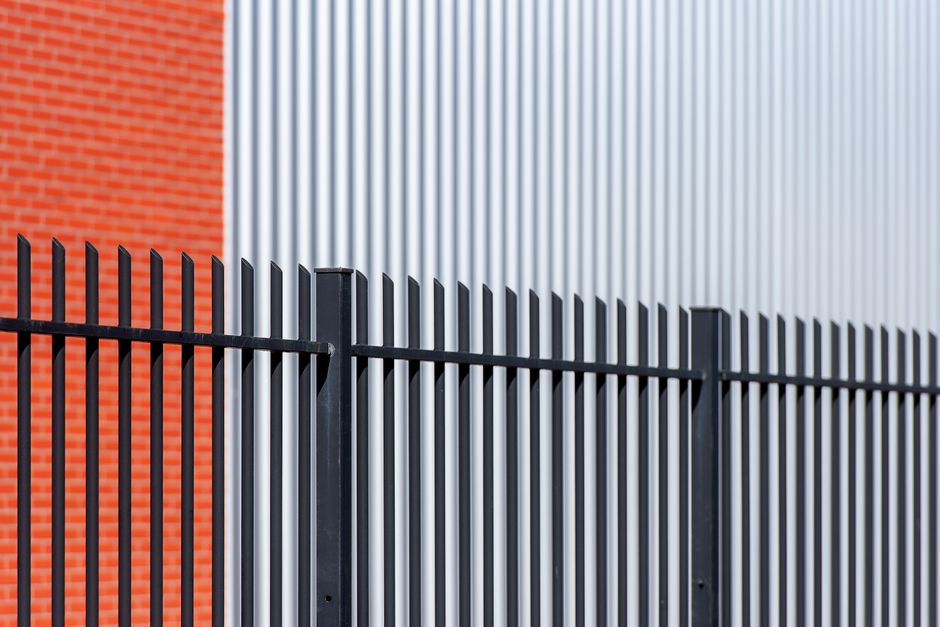
Aluminum and wrought iron are the two metal fence options that read as "ornamental" — open, vertical-picket designs that outline a yard without blocking the view the way a privacy fence does. From a distance, a well-finished aluminum fence and a wrought iron fence can look almost identical: both are typically painted or powder-coated black, both use narrow vertical pickets between horizontal rails, and both trace back to the same decorative fence tradition. The differences that matter show up in the material itself, not the silhouette.
What each material actually is
Wrought iron is worked, low-carbon iron — historically hammered or rolled into shape by a blacksmith, though most fencing sold as "wrought iron" today is actually mild steel formed to resemble traditional wrought-iron designs, since true hand-forged wrought iron is now rare and expensive to produce. Either way, the base metal is iron or steel, and both rust when the surface finish is compromised and bare metal is exposed to moisture and air.
Aluminum fencing is cast or extruded aluminum alloy, formed into rail and picket shapes and then finished with a factory powder coat. Aluminum doesn't contain iron, so it can't rust in the way steel or wrought iron does — its corrosion behavior is a different chemical process entirely. That single material difference drives most of the practical gap between the two options.
Weight and structure
Wrought iron and steel fencing is heavy. That weight gives it a dense, substantial feel and real resistance to impact, but it also means more robust posts, more labor to move and set panels, and a higher likelihood that a section will bend rather than pop back into shape if something strikes it hard enough. Aluminum is dramatically lighter for a comparable picket profile, which makes panels easier to handle during installation and reduces the load on posts and footings. The tradeoff is that aluminum sections are generally less rigid under a direct impact than an equivalent steel design — aluminum fencing is built for containment, boundary definition, and pool enclosures rather than for stopping a vehicle or absorbing repeated heavy impact.
Maintenance over time
This is where the two materials diverge the most. A wrought iron or steel fence relies entirely on its paint or powder-coat layer to keep moisture off the base metal. Once that coating chips, scratches, or wears through — from a mower, a dropped tool, road salt spray near a driveway, or just years of freeze-thaw cycling — the exposed iron starts to rust, and rust spreads under the surrounding coating even where the coating still looks intact. Left alone, surface rust progresses to pitting and eventually to structural weakening at the failure point, most commonly at welds, joints, and ground-level contact points. Keeping a wrought iron fence looking right means periodic inspection, spot-sanding rust before it spreads, and repainting exposed areas — ongoing work that scales with the length of the fence line.
Aluminum fencing's powder-coat finish is still doing a cosmetic job — chips and scratches will show, and severe abrasion can eventually expose bare aluminum — but because aluminum forms a stable, self-limiting oxide layer on contact with air rather than rusting through, an exposed scratch on an aluminum fence doesn't spread and undermine the surrounding structure the way exposed rust does on iron. That difference is why aluminum is marketed as "maintenance-free" compared to wrought iron's ongoing upkeep, and why it's the more common choice for property lines that back up to sprinklers, low-lying wet areas, or long runs where nobody wants to walk the fence line every spring checking for rust spots.
Cost and availability
Wrought iron and steel ornamental fencing generally costs more to install than aluminum for a comparable style and height, largely because of the heavier material, more intensive fabrication, and the extra structural bracing steel-post-and-panel systems need. Aluminum fencing is also far more standardized as a manufactured product — most residential aluminum fence lines come as pre-fabricated panels in a handful of common heights and picket spacings, which keeps material costs and lead times more predictable than custom or semi-custom wrought iron work.
Style and customization
Wrought iron and steel keep an edge for anyone who wants a genuinely custom design — scrollwork, finials, an integrated gate emblem, or a pattern that doesn't exist in a manufacturer's standard aluminum lineup. Custom ironwork can be fabricated to a specific vision in a way that mass-produced aluminum panels generally can't match. For anyone working from a catalog of standard looks rather than a custom commission, though, aluminum fencing today covers most of the same visual ground — straight-top, spear-top, and puppy-guard (tight-picket) styles are all available in aluminum, in the finish colors most commonly requested for residential ornamental fencing.
Which one fits a given yard
Neither material is a wrong choice; they solve slightly different problems. A homeowner chasing a specific custom ironwork design, or who wants the heaviest, most substantial-feeling ornamental fence available, leans toward wrought iron or steel and accepts the maintenance that comes with it. A homeowner who wants the ornamental look with the lowest possible long-term upkeep — especially around a pool, a low or damp yard, or a long fence run — usually lands on aluminum.
For a look at how aluminum ornamental fencing fits into the broader set of material options for a Chippewa Valley property, see aluminum fence installation.