Fence Staining and Sealing
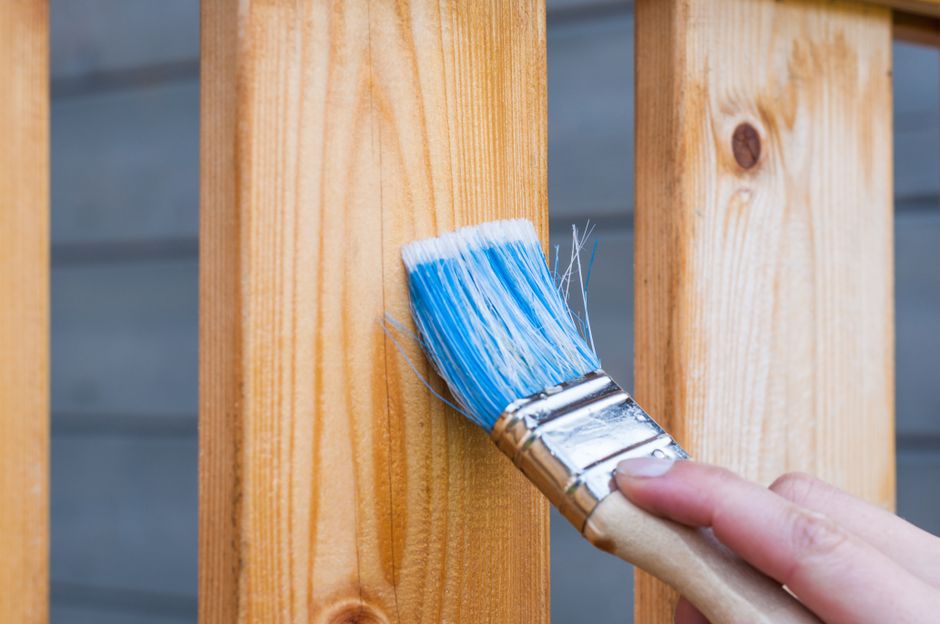
A wood fence needs upkeep after it goes in, not just at the moment it's installed. Staining and sealing is maintenance work on an existing fence rather than a new install, and it's one of the more effective ways to get a wood fence through Wisconsin's freeze-thaw winters and humid summers without premature rot, warping, or graying.
Why Wood Fences Need Staining and Sealing
Untreated or unsealed wood absorbs moisture directly through the grain. In this climate, that moisture cycles between soaking in during rain or a spring thaw and then freezing solid in winter, and repeated freeze-thaw cycles inside the wood fiber are what eventually cause splitting, cupping, and soft, rotted spots — especially near the ground and at the top edge of pickets, where water sits longest. A stain with a sealant component blocks most of that moisture absorption at the surface, and UV-blocking pigments in the stain also slow the graying and fiber breakdown that comes from direct sun exposure. A fence that's stained and sealed on a reasonable schedule typically shows less cupping, less checking, and less color loss than one left to weather bare.
How Often a Fence Needs It
There's no single fixed schedule that fits every fence — how often a stain needs to be reapplied depends heavily on sun exposure, the wood species, and how the first application was done. A fence section that gets full afternoon sun weathers and fades faster than a shaded section along the same run, and cedar generally holds a finish longer than pressure-treated pine does. The most reliable way to tell it's time to restain isn't a calendar date at all — it's the wood itself: when water stops beading on the surface and starts soaking straight in, or when the color has visibly grayed, the existing finish has worn through and it's time for another coat. Wood fence maintenance and staining schedule covers how to judge that timing for your specific fence.
What the Work Involves
Restaining an existing fence isn't the same job as staining a brand-new one. Old, weathered wood typically needs its surface cleaned and any failing prior finish removed before a new coat will bond properly — skipping that step is the most common reason a restain job fails early and needs redoing sooner than expected. Getting even coverage on both faces of a privacy fence, working around hardware and post caps, and choosing a stain that's compatible with whatever was applied previously are all things worth having a contractor handle rather than treating as a weekend project, particularly on a long fence line where uneven application shows clearly once it dries.
Cedar, Pressure-Treated, and Other Wood
Different wood species take stain differently. Cedar's natural oils and tighter grain generally hold color and resist rot longer than pressure-treated pine, though pressure-treated wood is chemically treated against rot at the mill and holds up well when it's also sealed against surface moisture. Whichever wood your fence is built from, matching the stain product and application approach to that specific wood — rather than using a one-size-fits-all product — makes a real difference in how long the finish lasts.
Choosing a Stain
Wood stains generally fall along a spectrum from clear or lightly tinted sealants, which let the wood's natural grain and color show through but offer less UV protection, to semi-transparent stains that add pigment while still showing some grain, to solid-color stains that behave more like an opaque paint and offer the most UV protection at the cost of hiding the wood underneath entirely. Oil-based stains tend to penetrate the wood fiber more deeply, while water-based formulas typically dry faster and clean up more easily. Which one makes sense depends on how much the wood grain matters to you visually, how much sun exposure the fence gets, and what was used on the fence previously, since mixing incompatible stain types on the same wood can cause adhesion problems.
Timing the Work
Stain and sealant need dry wood and a moderate temperature range to cure properly, which makes the timing of the work matter almost as much as the product chosen. Applying a fresh coat right after a rain, or in the depth of a Wisconsin winter when the wood is likely to be damp or frozen, generally gives a worse result than waiting for a stretch of dry, moderate weather. Spring and fall tend to offer more of those conditions in this climate than the height of summer or winter, though the wood itself — not just the calendar — is the better guide for whether it's ready for a new coat.
New Installation and Ongoing Maintenance Together
If you're installing a new wood fence rather than maintaining an existing one, it's worth asking whoever quotes the installation about a staining schedule from the start — a fence that gets its first coat of sealant soon after installation, before it's had a chance to weather unprotected, generally holds up better over its life than one left bare for a season first. The general fence installation page covers permit and placement questions that apply to any new wood fence project.
Requesting a Quote
Submitting the quote form connects you with a local fence contractor who handles both new wood fence installation and staining or sealing work on an existing fence. This site serves the Chippewa Valley service area, including Eau Claire, Chippewa Falls, Altoona, Lake Hallie, Fall Creek, and Menomonie. Call (914) 530-6133 or visit the contact page to request a quote.