Fence Repair in the Chippewa Valley
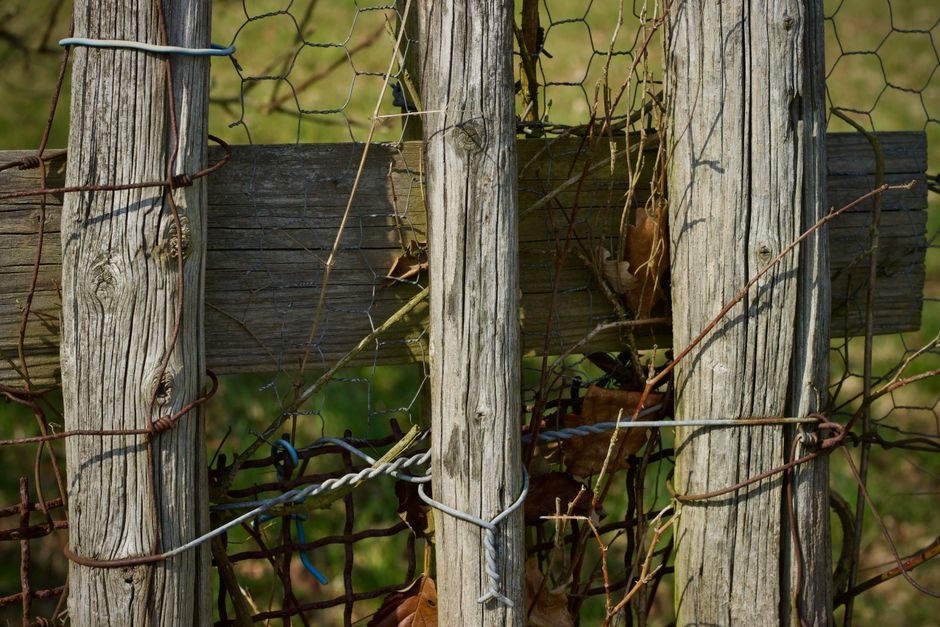
A fence rarely fails all at once. A post works loose, a panel splits, a gate starts dragging on the ground — and each of those is usually a repair problem, not a reason to tear out the whole line. Knowing which is which before you call around for quotes saves time and narrows down what kind of contractor you actually need.
Signs Your Fence Needs Repair
The most common repair call in this region starts with a leaning or wobbling post. Wisconsin's freeze-thaw cycle works on buried posts every winter: the ground heaves as it freezes, settles as it thaws, and repeats that cycle for months. A post that isn't set deep enough, or one that's been standing for many years, gradually loosens in its footing. You'll usually see this as a section of fence that leans a few degrees out of plumb, or rails that have pulled away from one post while staying attached to the next.
Other repair signals are more visible: a handful of cracked or missing pickets on an otherwise sound wood fence, a chain-link section that's sagging between posts, rust spreading along a chain-link top rail, a gate that no longer latches because the frame has racked out of square, or a section of rail knocked loose by a fallen branch or a vehicle backing into it. None of these mean the fence as a whole has reached the end of its life — they mean one component has failed while the rest of the line is still doing its job.
What Causes Fence Damage in the Chippewa Valley
Beyond frost heave, moisture at ground level is the other recurring culprit for wood fences specifically. Wood that sits in contact with wet soil, mulch, or standing water after a thaw breaks down faster at the base of the post and the bottom few inches of pickets, even when the rest of the board is sound. Wind load during storms is the next most common cause — a fence acts like a sail, and a large flat panel section under sustained wind can rack a gate frame or pop fasteners loose well before any board actually breaks. Falling limbs, plow damage along a driveway edge, and simple age-related fastener corrosion round out the list.
Repair by Fence Material
- Wood: Individual picket and rail replacement is usually straightforward when the posts themselves are still solid. A post that has rotted below grade is a different story — a rotted post typically needs to come out and be reset, which is a job worth having a contractor assess in person rather than guessing from the surface.
- Chain link: Sagging fabric is often a tension problem rather than a broken-fabric problem, and torn fabric or a bent top rail can usually be swapped out section by section without replacing the whole run.
- Vinyl: Panels crack rather than bend, especially in cold weather, so a cracked vinyl panel is typically a full-panel swap rather than a patch.
- Aluminum and ornamental: Impact damage tends to bend rather than break, and a bent picket or rail section can often be replaced without disturbing the rest of the fence line.
Because a damaged post footing, a racked gate frame, or unclear rot below grade can be hard to judge from the surface, it's worth having a contractor look at the fence in person rather than working from a description alone — that's also the safest way to avoid missing a problem that will resurface within a season.
When Repair Isn't Enough
Repair makes sense when the damage is limited to a handful of components and the rest of the fence line is structurally sound. It stops making sense once the failures are spread across most of the run, once multiple posts have rotted or heaved out of alignment, or once the fence has simply reached the end of its service life for its material. At that point, patching one section only shifts the next failure a few feet down the line. Signs your fence needs repair vs. replacement walks through how to tell which side of that line your fence is on, and fence replacement covers what's involved in removing an old fence and starting over.
If you're planning a full fence installation rather than a repair — a new run, a different material, or a fence in a location you don't currently have one — that page covers permit thresholds and height rules by municipality across the Chippewa Valley.
Seasonal Timing for Repairs
Fence repair in this region has a seasonal rhythm of its own. Frost-heaved posts are typically easiest to diagnose and correct once the ground has fully thawed in spring, since a post that looks loose in late winter sometimes settles partway back as the soil thaws and firms up. Storm damage, by contrast, doesn't wait for a convenient season — a downed limb or wind-racked gate is worth addressing whenever it happens rather than waiting, since an open gap in an otherwise sound fence line is also an opening for whatever the fence was meant to contain or keep out.
Requesting a Quote
Submitting the quote form connects you with a local fence contractor who can inspect the damage in person, tell you whether repair or replacement is the right call, and quote the work accordingly. This site serves homeowners across the Chippewa Valley service area, including Eau Claire, Chippewa Falls, Altoona, Lake Hallie, Fall Creek, and Menomonie. Call (914) 530-6133 or visit the contact page to request a quote and get started.