Aluminum Fencing for Pools
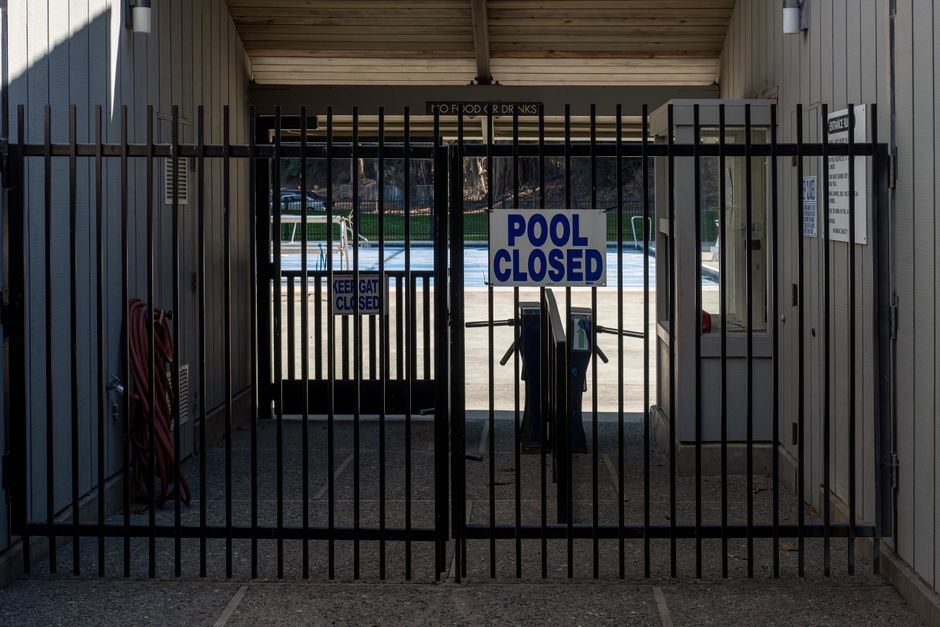
Aluminum shows up around residential pools more often than most other ornamental fence materials, for reasons that come down to the material itself: it holds up in a wet environment without the rust risk of iron or steel, it's light enough to install as a standalone enclosure around an existing patio or deck, and manufacturers make dedicated pool-style picket spacing that isn't standard on every ornamental fence line.
Why aluminum specifically
A pool enclosure spends its life around splashed water, humid air, and pool chemicals, all of which are hard on unprotected metal. Aluminum's corrosion resistance comes from a thin oxide layer that forms on the surface on contact with air and effectively seals the metal underneath from further reaction — a different mechanism than the rust that eats into iron or steel once a coating is scratched. That's the practical reason aluminum tolerates a pool environment better than wrought iron or plain steel without constant repainting. A powder-coat finish still protects the look of the fence and should be maintained, but a scratch in that finish doesn't cascade into structural rust the way it can on an iron fence.
Aluminum is also corrosion-resistant enough to hold up reasonably well near saltwater pool systems, which use a lower level of dissolved salt than a marine environment but still introduce more chloride exposure than a chlorine-only pool. Fasteners and hardware matter here — stainless or coated hardware rated for the exposure is the detail that keeps a pool-adjacent aluminum fence performing well for longer than the panels alone would manage on their own.
Compare that to wood, which needs regular sealing to resist rot in a consistently damp pool-deck environment, or chain link, which offers little privacy and a less finished look immediately around a pool. Vinyl resists moisture well but doesn't come in the tighter pool-style picket spacing that aluminum manufacturers build specifically for enclosure use, and it can't match aluminum's combination of an open sightline with a narrow, code-relevant gap between pickets.
Picket spacing and pool-style fencing
Standard residential aluminum fencing typically uses wider picket spacing for an open, airy look. Pool-specific aluminum fencing generally comes with narrower picket spacing — sometimes called "puppy-guard" or pool-style spacing — designed to close the gaps a small child or pet could otherwise fit through. This tighter-spacing style is a common, purpose-built product line from most aluminum fence manufacturers, distinct from the standard-spacing panels used for a plain property-line fence. Anyone enclosing a pool should specify the pool-style spacing rather than assume a standard ornamental panel automatically qualifies.
What Wisconsin actually requires — and doesn't
This is worth stating precisely, because it's easy to get wrong. Wisconsin's state-level pool-barrier rule (Wis. Admin. Code ATCP 76.34(3)) sets barrier requirements for public pools and water attractions — the kind found at a hotel, campground, or public recreation facility, a scope confirmed by SPS 390.02. There is no Wisconsin state law setting fence height, gate, or barrier requirements for a private residential backyard pool. That's a real gap, not an oversight in reporting it — no statewide residential pool-fence statute exists to cite.
That doesn't mean a residential pool enclosure is unregulated everywhere. Barrier requirements for a private pool are a local matter, set (or not set) at the city or village level, and they vary by municipality across the Chippewa Valley. Homeowners installing a pool enclosure should confirm what, if anything, their specific municipality requires before finalizing a design — a step covered in more general terms on the pool fencing page, which addresses the enclosure question service-wide rather than town by town.
Separately from any specific local ordinance, widely used voluntary pool-safety guidelines (such as the U.S. Consumer Product Safety Commission's residential pool barrier guidelines) commonly recommend a barrier at least 48 inches tall with self-closing, self-latching gates that swing away from the pool — figures worth knowing as general safety practice, but they are guidelines, not a Wisconsin state mandate, and they don't substitute for checking a specific municipality's own requirement. Those same voluntary guidelines also generally recommend keeping gaps in the barrier, including under the bottom rail, narrow enough that a small child can't work through them — the same reasoning behind pool-style aluminum's tighter picket spacing described above.
Style considerations around a pool
Beyond spacing, most homeowners enclosing a pool with aluminum fencing pick a smooth-top or flat-top rail profile rather than a spear-top or finial-top design, since a pool enclosure's gate and panels get more direct hand contact than a front-yard ornamental fence. Height is also typically set higher than a standard property-line fence, and gate hardware for a pool enclosure has its own set of considerations beyond a standard walk gate.
Getting the details right for a specific pool
The right picket spacing, height, and gate configuration for a pool enclosure depend on the pool's layout, the surrounding hardscape, and whatever a specific municipality requires. Aluminum fence installation for a Chippewa Valley property, including pool enclosures, is covered under aluminum fence installation. For the enclosure-specific requirements and framing that apply regardless of fence material, see pool fencing.