Wood vs. Vinyl: Which Fence Material Is Right for Your Yard?
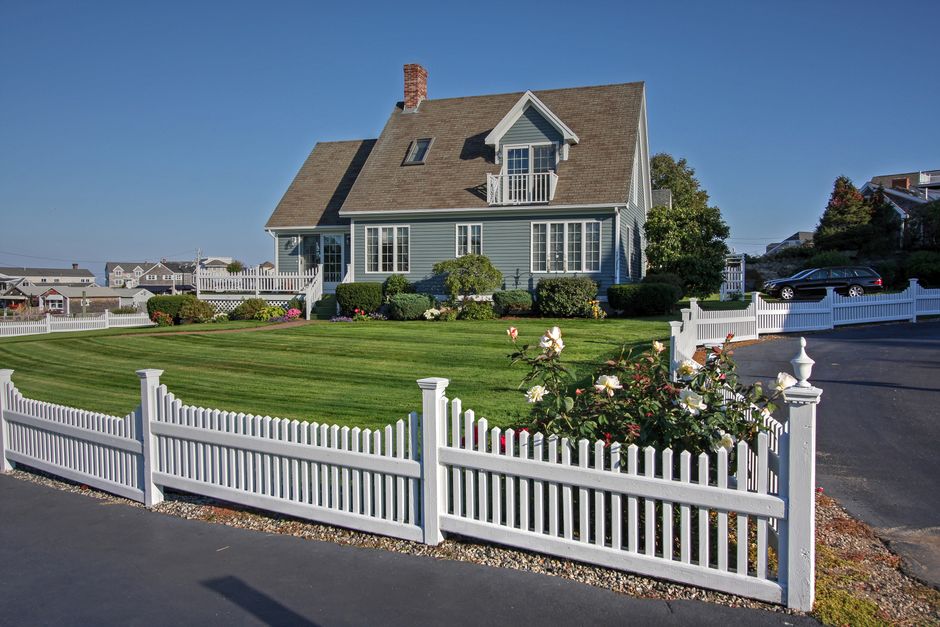
Wood and vinyl are the two most common privacy fence materials in the Chippewa Valley, and both perform well here — but they win on different criteria, and the right choice usually comes down to which tradeoffs matter more for a specific yard.
Maintenance
This is where the two materials differ most. Wood needs periodic cleaning and re-staining or re-sealing to resist moisture and hold its appearance — without that maintenance cycle, wood grays, checks, and eventually softens faster in a freeze-thaw climate. Vinyl doesn't absorb moisture the way wood does, so it doesn't need staining or sealing at all; routine care is generally limited to washing off dirt, mildew, or algae buildup with soap and water. For homeowners who want to avoid an ongoing maintenance schedule, this is usually the deciding factor on its own.
Appearance
Wood has a natural material warmth and grain texture that's difficult to fully replicate — even a well-made vinyl panel reads as a manufactured product up close, while wood reads as a natural one, even after it grays. On the other hand, vinyl holds its original color and finish for the life of the product without fading, chalking, or needing to be refinished, while a wood fence's appearance is tied directly to how consistently it's been resealed. Which of these matters more is a matter of taste — some homeowners specifically want the natural look and accept the upkeep it requires; others prioritize a consistent, low-effort appearance over time.
Cold-climate and freeze-thaw performance
Both materials handle Wisconsin winters reasonably well when installed correctly, but they fail differently under stress. Wood is vulnerable to moisture-driven decay — freeze-thaw cycling pushes water in and out of the wood grain, which over years causes checking, warping, and eventually rot, especially where maintenance has lapsed. Vinyl doesn't absorb moisture or rot, but rigid PVC does become more brittle at very low temperatures, which means a vinyl panel is more likely to crack on a hard impact — a fallen tree limb, a plow throwing snow, a sled or vehicle strike — in the depths of winter than it would be in warm weather.
Repairability
Wood has an advantage here: a single damaged or rotted board can usually be replaced individually without disturbing the rest of the fence, since boards are typically fastened one at a time to the rails. Vinyl fencing is built from interlocking panel sections, so a cracked or damaged panel section often needs the full section replaced rather than a single board, and matching the exact panel style and color years later can be harder if the original product line has changed or been discontinued.
Longevity
Both materials can last for decades under the right conditions, but the conditions differ. Wood's lifespan depends heavily on species, treatment, and — most of all — how consistently it's maintained; a well-maintained cedar or pressure-treated fence can last many years, while a neglected one will show serious wear much sooner. Vinyl's lifespan depends less on ongoing care and more on the quality of the original material and installation — a well-built vinyl fence with adequately reinforced posts tends to perform consistently over time without the maintenance variable.
Containing pets and keeping wildlife out
For households fencing a yard specifically to contain a dog or keep wildlife out, the two materials behave a little differently. Wood panels installed tight to the ground and well-fastened resist digging and chewing reasonably well, though a determined or bored dog can eventually work at a board edge or a gap that's opened up as wood ages. Vinyl panels don't give a dog anything to chew into the way wood grain can, but a hard, repeated push or an animal squeezing at a panel seam can, in rare cases, pop a panel loose from its rail if the installation wasn't seated fully. Both materials work well for containment when installed correctly and sized appropriately for the animal; the more common failure with either material is a gap at the bottom edge from ground settling over time, which is a maintenance and inspection issue rather than a material one.
Curb appeal and resale considerations
Fencing is a visible part of a property's exterior, and material choice does factor into how a home is perceived from the street, even if it's rarely the deciding factor in a sale on its own. Wood's natural material tends to read as a traditional, established look, which can suit an older or more classic-style home, while vinyl's clean, consistent lines often complement a more modern build. A well-maintained example of either material presents better than a neglected one of the other — a freshly stained wood fence generally looks better than a chalky, aged vinyl panel, and a bright, clean vinyl fence can look better than a wood fence overdue for restaining. Consistency with the home's existing exterior materials and colors tends to matter more than which of the two materials is chosen.
Side-by-side summary
| Factor | Wood | Vinyl |
|---|---|---|
| Ongoing maintenance | Periodic cleaning + staining/sealing | Occasional washing only |
| Appearance | Natural grain and warmth; changes with weathering | Consistent manufactured finish; doesn't fade or gray |
| Cold-weather failure mode | Moisture-driven decay if unmaintained | Can become brittle and crack under hard impact in extreme cold |
| Repair approach | Individual board replacement | Often full panel-section replacement |
| Longevity driver | Maintenance consistency | Material and installation quality |
Which one fits a specific yard
A few questions tend to settle it:
- Is ongoing maintenance a dealbreaker, or an acceptable tradeoff for a natural look? Vinyl wins if maintenance is the priority; wood wins if appearance is.
- Does the yard see heavy impact risk — falling branches, plowed snow thrown against the line, active kids or pets? Wood tends to tolerate isolated impacts better since individual boards are easy to swap.
- Is a consistent look over many years more important than a natural material? Vinyl holds its finish without upkeep; wood's look shifts based on maintenance history.
Neither material is the "correct" answer across the board — they solve for different priorities. For more on wood options, see wood fence installation; for vinyl options and colors, see vinyl fence installation.