How Long Does a Wood Fence Last in Wisconsin Winters?
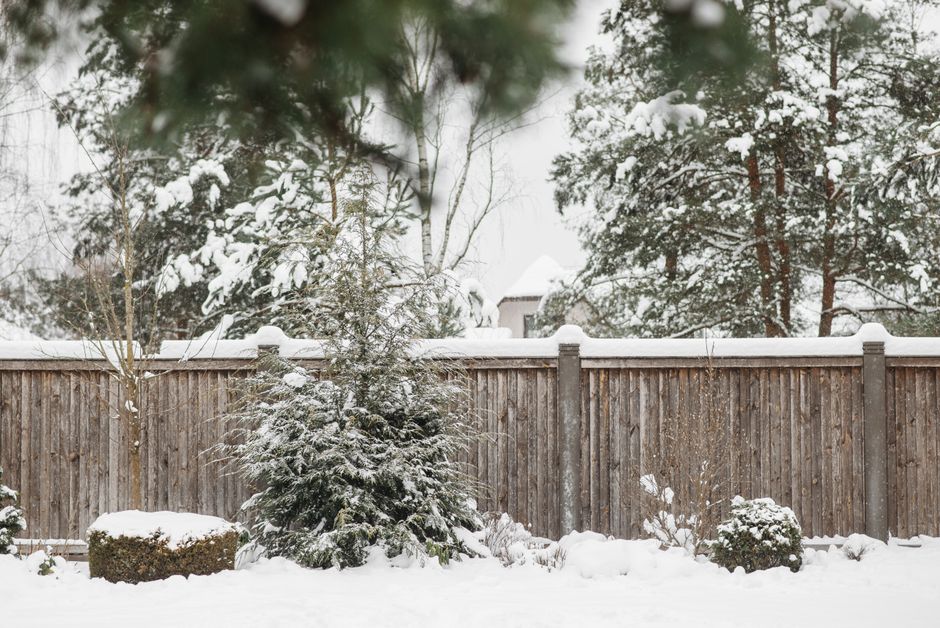
Wood fences in the Chippewa Valley face a specific set of stresses that fences in milder climates don't deal with: deep seasonal frost, repeated freeze-thaw cycles, heavy wet snow load, and long stretches of moisture sitting against wood at ground level. None of that means a wood fence is a poor choice for the area — wood remains one of the most common fencing materials installed here — but it does mean lifespan depends heavily on wood species, treatment, and how the fence was built, more than on any single "wood fences last X years" number.
What winter actually does to a wood fence
A few distinct mechanisms are at work over a Wisconsin winter, and they act on different parts of the fence:
- Frost heave at the posts. As the ground freezes and thaws, soil around a post can expand and contract, and a post set too shallow or without adequate footing can gradually shift, lean, or lift over multiple winters. This is a footing and post-depth issue more than a wood-species issue — it affects wood, vinyl, and metal posts alike if they aren't set below the frost line.
- Moisture cycling in the boards. Boards absorb moisture from snow, rain, and humidity, then dry out as temperatures swing. Repeated wetting and drying is what eventually causes checking (surface cracks), warping, and — over enough cycles — the breakdown of wood fibers, especially at end grain and anywhere water can pool rather than shed.
- Snow load and drift pressure. A fence that runs along a route where wind piles snow into a drift can see sustained lateral pressure against the panels for weeks at a time, on top of the wind load the fence already carries.
- Ground contact and splash-back rot. The bottom few inches of a fence board — closest to grass, mulch, or snowmelt runoff — stay damp longest and are typically the first place visible rot or soft wood shows up, well before the rest of a board shows any wear.
Why lifespan varies so much by species and treatment
Untreated or lower-grade wood exposed to this cycle year after year will show wear noticeably sooner than a naturally rot-resistant species like cedar or a properly pressure-treated pine rated for ground contact. The treatment or species mainly buys time against the moisture-driven decay described above — it doesn't change how frost heave affects the posts, which comes down to how deep and how well the posts were set in the first place. Species and treatment grade matter enough that they're worth comparing directly before choosing a material for a large fence run.
Design and build choices that add years
A handful of factors affect longevity as much as species selection does:
- Post depth and footing. Posts set below the local frost depth, with adequate concrete footing, resist frost heave far better than shallow-set posts.
- A cap rail on top-exposed boards. A cap rail sheds rainwater off the end grain of upright boards rather than letting water sit on exposed top edges — one of the more vulnerable spots on any board-style fence.
- Ground clearance. A small gap between the bottom of the boards and the soil line reduces the time boards spend sitting in damp grass, mulch, or snowmelt.
- Board orientation and spacing. Airflow between boards, where the style allows it, helps boards dry out between wet periods rather than staying saturated.
Maintenance's role in lifespan
Sealing and staining schedule matters more in a freeze-thaw climate than in a milder one, because a sealed surface sheds water rather than absorbing it into the wood grain each cycle. A fence that's cleaned and re-sealed on a regular schedule will generally outlast an identical fence left unsealed, regardless of species.
Signs a wood fence is reaching the end of its service life
A few indicators tend to show up together as a wood fence ages out, rather than any single one on its own being decisive:
- Soft, spongy, or crumbling wood at the base of posts or boards
- Boards that have split, cupped, or bowed enough to gap noticeably from neighbors
- Posts that lean or rock rather than standing rigid
- Hardware (nails, screws, hinges) that has rusted, loosened, or pulled through softened wood
Any one of these on its own might be a localized repair. Several appearing across the fence line at once usually points toward a broader replacement conversation rather than spot repair.
Getting the build right from the start
Because so much of a wood fence's winter performance comes down to footing depth, board detailing, and material grade — decisions made before the first post goes in the ground — the installation itself is where lifespan is largely determined. To see how those choices come together, and what's involved before requesting a quote, visit wood fence installation.