Vinyl Fence Pros and Cons for Wisconsin Weather
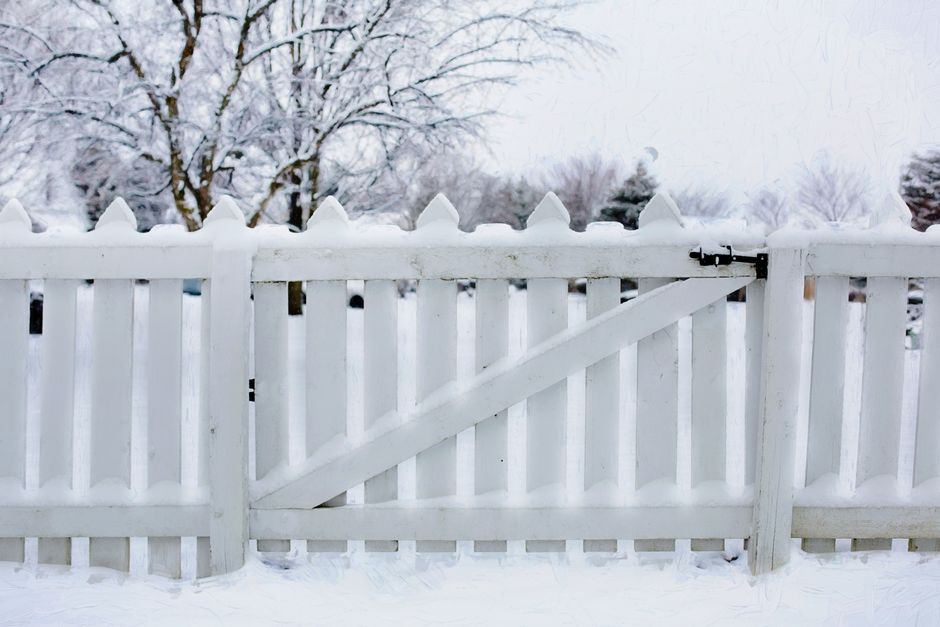
What vinyl fencing is made of
Vinyl fencing is manufactured from PVC (polyvinyl chloride) compounded with additives that determine how well it holds up outdoors. Titanium dioxide is blended in as a UV inhibitor, reflecting ultraviolet light so panels resist yellowing and surface degradation from sun exposure. Impact modifiers — typically acrylic or chlorinated polyethylene compounds — are blended into the resin to keep the material flexible enough to absorb impact without cracking. The ratio and quality of these additives varies between manufacturers, which is why two vinyl fences that look identical in a showroom can perform very differently after a few Wisconsin winters.
Where vinyl performs well in this climate
Moisture resistance. Unlike wood, vinyl doesn't absorb water, so it isn't vulnerable to the freeze-thaw cycling that splits and warps wooden boards over repeated winters. Snowmelt, ice, and the Chippewa Valley's humid summers don't cause rot, swelling, or splintering.
No rust or corrosion. Because the material isn't metal, vinyl fencing has nothing to rust the way steel or iron components can after years of exposure to road salt spray or lawn irrigation.
Low maintenance. Vinyl doesn't need staining, painting, or sealing. Routine cleaning with water and a mild detergent is generally enough to keep panels looking consistent from one season to the next.
Stable appearance. Because color is compounded through the material rather than applied as a surface coating, scratches and minor surface wear are less visible than on painted or stained wood.
Where cold weather creates real limitations
Brittleness at low temperatures. PVC becomes less flexible as temperatures drop. Lower-grade vinyl compounds — often those with less titanium dioxide and fewer impact modifiers — can become brittle enough to crack under direct impact once temperatures fall well below freezing. Premium vinyl formulated with adequate impact-modifier content resists this far better, but the difference isn't visible just by looking at a panel; it comes down to the manufacturer's compound.
Impact risk, not just cold risk. Cold alone rarely cracks a vinyl panel sitting still. The risk shows up when something strikes the fence while it's cold and stiff — a wind-thrown tree limb, a snowblower discharge chute, a sled or plow blade along a property line, or heavy snow sliding off a roofline onto a fence section. The same impact in July might just leave a scuff; in January it can crack the panel.
Thermal expansion and contraction. Vinyl expands and contracts more than wood or metal across a temperature swing. Manufacturers design panel and rail connections with this in mind, using routed rail pockets rather than fixed fasteners so panels can move slightly without stressing the joints. Fencing installed without accounting for this — for example, panels cut and fixed too tightly — is more prone to stress cracks as temperatures cycle through a Wisconsin winter and back.
Ground movement affects posts more than panels. Frost heave — the seasonal shifting of soil as it freezes and thaws — can move fence posts out of plumb over time regardless of fence material. Vinyl posts are typically set in concrete footings sized and placed to resist this movement, but no fence material is immune to what the ground underneath it does.
How to judge vinyl quality before buying
Vinyl fence profiles sold in the U.S. are generally measured against ASTM F964, the industry specification covering material properties, wall thickness tolerances, and extrusion quality for rigid PVC fencing. A profile that meets that specification isn't automatically the best option on the market, but it's a useful baseline to ask about when comparing products, since the standard itself doesn't ensure any particular cold-weather performance beyond what its wall-thickness and weatherability requirements cover.
A few practical signs point to a sturdier panel regardless of brand:
- Wall thickness. Thicker-walled posts and rails resist impact and flexing better than thin-walled versions of the same profile. A post that needs a wood insert on the inside to hold its shape is a sign the vinyl itself is too thin to do that job alone.
- Interior ribbing and reinforcement. Some manufacturers add interior ribs to pickets or a galvanized steel insert inside the bottom rail to resist sagging over a long fence run. Neither is visible from the outside once the fence is installed, so it's worth asking about before ordering.
- Routed rail pockets. Rails that slide into routed pockets in the posts, rather than being glued or screwed rigidly in place, allow the assembly to handle thermal movement — including the contraction that happens in cold weather — without concentrating stress at a fixed joint.
- Tongue-and-groove picket construction on privacy styles, which keeps adjoining pickets interlocked rather than just butted together.
None of this is visible in a marketing photo, which is why a physical sample panel — checked by hand, not just by picture — is worth asking for before committing to a specific product line for a Chippewa Valley installation.
What this means when choosing vinyl for a Chippewa Valley property
Vinyl fencing is a reasonable match for this region's climate as long as the product itself is a quality compound and the installation accounts for thermal movement. It isn't accurate to say vinyl "doesn't work" in cold climates — it's installed throughout Wisconsin and Minnesota every year — but it also isn't accurate to treat all vinyl fencing as interchangeable. The panel that holds up through a decade of Chippewa Valley winters and the one that develops hairline cracks by its third season can look identical on a showroom floor.
Homeowners comparing vinyl against other materials for a specific yard should also weigh how the fence will actually be used — whether it's bordering a driveway where snowblowing and plowing happen close to the fence line, or set back in a yard where impact risk is lower. Cost is a separate factor worth weighing alongside climate performance when comparing vinyl to other materials.
Request a quote for a vinyl fence installation
Submitting a quote request through this site is a way to get vinyl fencing matched to this climate. Project details are passed along so a local installer can evaluate the yard, discuss panel options, and quote the work for vinyl fencing.