Vinyl Fence Colors and Styles to Consider
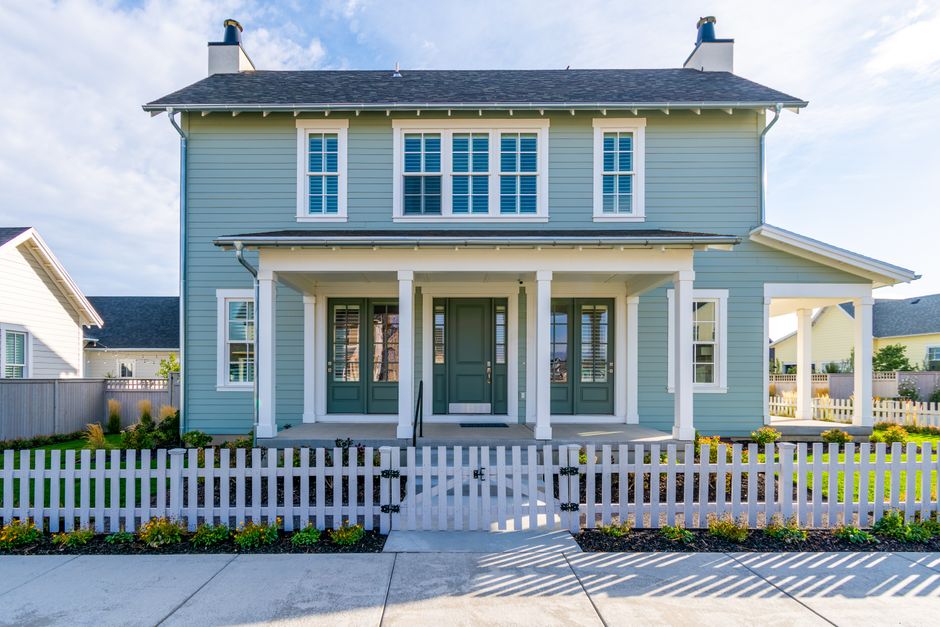
Picking a vinyl fence style
Vinyl fencing comes in a handful of core styles, and the right one usually comes down to how much privacy and airflow a yard needs.
Privacy panels. Solid, tongue-and-groove vinyl panels with no gaps between boards. This is the style most homeowners picture when they think "vinyl privacy fence" — it blocks sightlines completely and is the closest vinyl equivalent to a solid wood privacy fence.
Shadowbox. Pickets are mounted on alternating sides of the horizontal rails, so the fence looks nearly identical from both sides of the property line and still allows some airflow through the small gaps. This style is a common compromise between full privacy and a more open look.
Board-on-board. Overlapping pickets mounted on one side of the rails, covering the gaps between boards seen from that side while allowing partial airflow. It gives one side of the fence a more finished, uniform appearance than the other.
Picket. Traditional evenly spaced vertical pickets, often with dog-ear, pointed, or rounded ("gothic") picket tops. Picket vinyl fencing is typically used for front yards, garden borders, or anywhere a fence is more about defining a boundary than blocking a view.
Ranch rail. A simple two- or three-rail horizontal design without pickets, styled after traditional wood ranch fencing. It's suited to larger, open properties rather than tight residential lot lines.
Color options
Vinyl fence color is compounded into the material rather than painted on, which is part of why it doesn't need repainting. Common color options include:
- White — the most widely available and most common choice for picket and privacy styles alike.
- Tan or almond — a warmer, less stark alternative to white that blends with brick or earth-tone siding.
- Khaki or clay — a deeper tan tone, often paired with white pickets or panels for a two-tone look.
- Gray — a more contemporary, neutral option that pairs well with modern exterior color schemes.
- Woodgrain finishes — textured, printed finishes in cedar, walnut, or driftwood tones that mimic the look of stained wood without the maintenance.
- Black or bronze — less common for privacy panels but increasingly available on picket and ornamental-style vinyl fencing.
Two-tone combinations — for example, tan or clay posts and rails paired with white pickets or panels — are available from a number of manufacturers as a way to add visual interest without moving to a custom color.
Typical height ranges by style
Height conventions vary by style, independent of any local permit rule for a specific yard:
- Privacy panels most often run in the 5–6 foot range, tall enough to block sightlines at standing height.
- Shadowbox and board-on-board styles typically fall in a similar 5–6 foot range, since their purpose is also screening rather than just marking a boundary.
- Picket fencing is usually shorter, commonly 3–4 feet, since its role is defining a border rather than blocking a view.
- Ranch rail is typically installed around 4–5 feet, matching its traditional use for marking pasture or property boundaries rather than containment or privacy.
These are manufacturer and industry conventions, not a rule for any particular yard — the height that's actually usable on a given property still depends on where the fence sits and what that location allows.
Post caps and trim details
Most vinyl fence systems include a post cap as a finishing detail, and manufacturers typically offer a few options beyond the standard flat or pyramid cap — including ball-style caps, solar-lighted caps, and decorative caps matched to the panel's color line. These are a minor design choice compared with style and color, but they're worth reviewing on a sample post, since a mismatched or overly ornate cap can change the overall look of an otherwise simple fence line more than expected.
Matching style to purpose
Style and color choice usually follow function. A backyard bordering a neighbor's yard or a busy street is a common candidate for a solid privacy or shadowbox style. A front yard is more likely to call for a picket style that defines the property line without blocking the house from view. Corner lots and yards with multiple sightlines sometimes mix styles — privacy along the back and side lot lines, picket or a shorter rail style facing the street.
Color choice is largely aesthetic, but it's worth checking a sample panel in the actual light conditions of the yard before committing — white can read very differently under shade than in full sun, and darker woodgrain finishes show cut edges and hardware differently than solid colors.
Homeowners in a subdivision with a homeowners' association or a deed-recorded covenant should also check whether that covenant restricts fence color, height, or style before ordering. That's a private agreement between homeowners, separate from municipal permitting.
Getting a look at real samples
Photos and manufacturer swatches only go so far for a decision that will sit in a yard for years. Seeing an actual panel section — in the yard's own light, next to the house's siding and trim color — is the more reliable way to settle on a style and color combination.
Request a quote for a vinyl fence project
Submitting a quote request is a way to see style and color samples for a specific property. Project details are passed along so a local installer can bring samples and discuss which style fits the yard for vinyl fencing.