Matching Your Gate to Your Fence Style
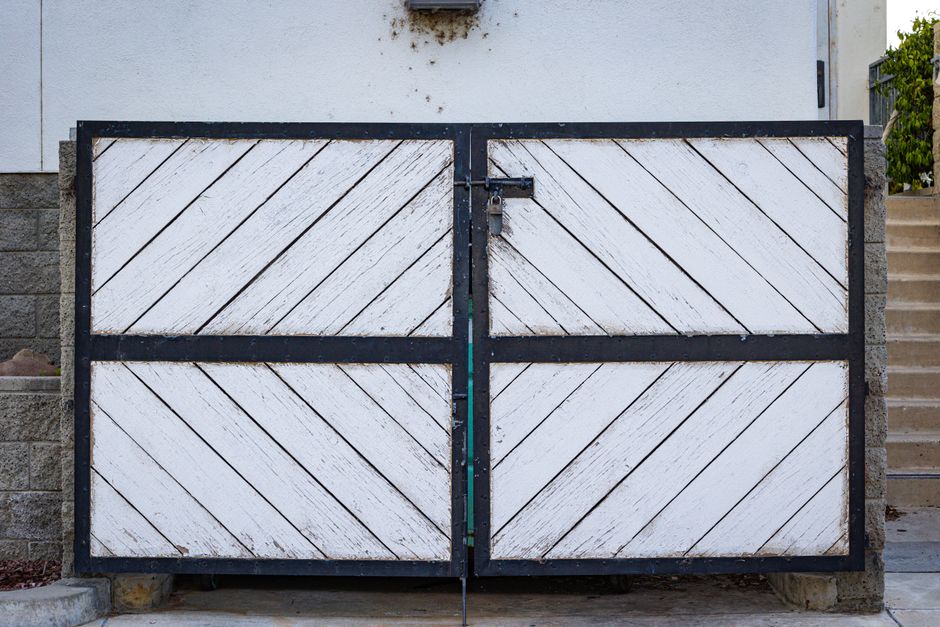
A gate is a break in the fence line, and when it's built to match the fence around it, that break barely registers — the eye reads the property line as continuous. When it doesn't match, even a well-built gate can look like an afterthought bolted onto an otherwise finished fence. Matching goes beyond just picking the same material; height, board pattern, proportion, and hardware finish all play a part.
Material consistency
The most basic match is material: a wood fence generally calls for a wood gate, a vinyl fence for a vinyl gate, and so on. Mixing materials — a metal gate set into a wood fence line, for instance — can work as a deliberate design choice, but it reads very differently from an unintentional mismatch, and it's worth deciding on purpose rather than defaulting to whatever gate happens to be on hand.
Matching the board pattern
Beyond material, the actual board or panel pattern matters. A solid-board privacy fence paired with a picket-style gate creates an odd visual break — the eye catches the change in pattern before it registers the gate as an entry point. Reproducing the same board spacing, orientation, and cap detailing on the gate frame is what makes it read as part of the fence rather than a separate structure spliced in. This is more involved than it sounds on a custom board pattern, since the gate frame has to account for the same spacing and alignment across a moving panel that hinges and swings, rather than a fixed section.
Height and sightline
A gate that's noticeably shorter or taller than the fence panels on either side breaks the sightline along the property line, which is easy to notice even without being able to say exactly why something looks off. Matching height is especially important where the gate sits along a front-facing or highly visible section of fence, and less critical (though still worth doing) along a rear or side yard gate that's rarely seen from the street.
Proportion and framing
Gates need more structural framing than a standard fence section, since a swinging panel has to hold its shape without the support of posts on both sides the way a fixed fence section does. That framing needs to visually integrate with the fence style rather than looking noticeably heavier or more industrial than the panels around it — a well-designed gate frame borrows the same board spacing and trim details as the fence, just reinforced underneath where it doesn't show.
Hardware finish
Hinges, latches, and any drop rod or lock hardware are visible parts of the gate, and their finish either blends with the fence style or fights it. A few general pairings that tend to work:
- Black or dark bronze hardware suits most wood and vinyl fence styles, reading as a neutral accent rather than drawing attention.
- Matte or powder-coated aluminum-toned hardware pairs naturally with aluminum or ornamental metal fencing.
- Galvanized or utilitarian hardware fits chain link's own utilitarian look without looking out of place.
Mismatched hardware — bright polished brass on an otherwise rustic wood fence, for instance — is a common way an otherwise well-matched gate still looks slightly off.
How weathering affects the match over time
A gate and its surrounding fence start out matched, but wood in particular can drift apart in appearance as it weathers, since a gate takes more direct handling and sun exposure at its latch and hinge points than a fixed panel does. A gate resealed on a different schedule than the fence around it — or replaced individually after damage, without matching the original stain batch — can end up visibly lighter, darker, or a different tone than the panels on either side. Keeping the gate on the same maintenance and staining schedule as the rest of the fence, rather than treating it as a separate structure, is one of the simpler ways to keep the match consistent for the life of the fence. Vinyl and aluminum gates don't weather the same way, but they can still show a visible newness mismatch if a gate is replaced years after the original fence, since manufacturers periodically update color runs and profile designs.
Common mismatches worth avoiding
A few patterns show up repeatedly as unintentional mismatches rather than deliberate design choices:
- A picket-style gate spliced into an otherwise solid privacy fence, breaking the sightline at exactly the point meant to be most private
- Bright, reflective hardware on an otherwise matte or weathered fence finish
- A gate frame visibly thicker or more industrial than the fence panels around it, from over-building the frame without matching its proportions to the rest of the fence
- A gate height that doesn't line up with the top rail of the adjoining panels, even by a small margin
Any of these can usually be avoided by treating the gate as part of the same design decision as the fence itself, rather than an add-on chosen separately once the fence is already up.
Gates across different fence materials
| Fence type | Typical gate match considerations |
|---|---|
| Wood | Match board pattern, spacing, and cap detail; frame reinforced underneath |
| Vinyl | Match panel style and color; gate frame often has internal metal reinforcement |
| Aluminum/ornamental | Match picket spacing and rail height; hinges rated for the panel weight |
| Chain link | Match mesh gauge and frame tubing size; hardware kept simple and utilitarian |
When an intentional contrast makes sense
Not every mismatch is a mistake — a distinct gate style, such as an arched top or a different material accent, can work as a deliberate focal point at a main entry point, especially on a front walk gate rather than a full drive gate. The distinction is between a considered contrast and an unplanned one; the first reads as a design choice, the second reads as mismatched.
Getting it right from the start
Because a gate carries more structural demands than a fixed fence panel while still needing to visually match it, gates are usually planned alongside the rest of the fence rather than added as a separate afterthought. For gate styles, materials, and hardware options across fence types, see fence gates.