How Long Does Fence Installation Take?
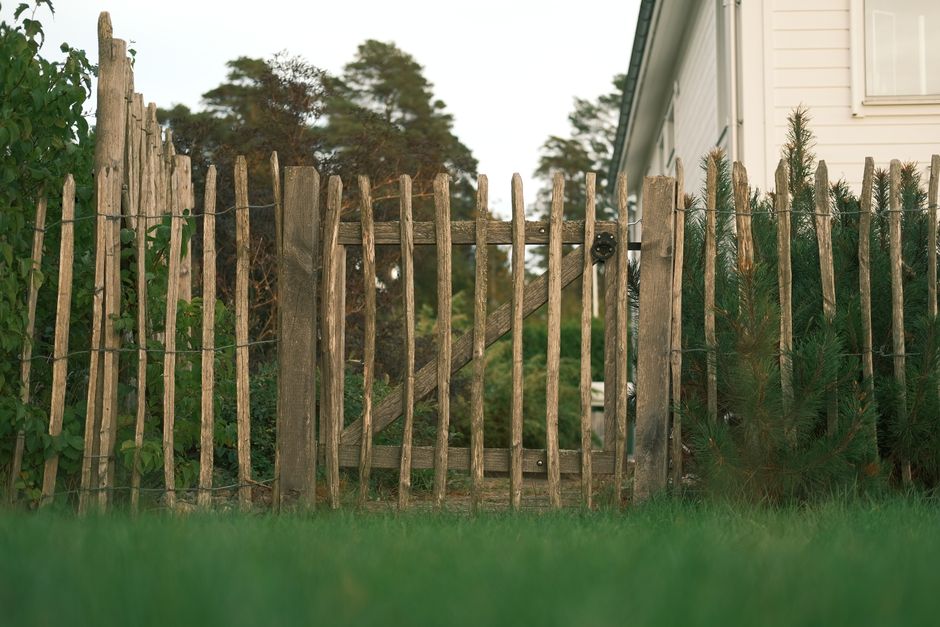
There's no single answer to how long a fence installation takes, because the timeline depends on several factors that vary from one property and one project to the next — some of them under a homeowner's control, some of them not. Rather than offer a single number that wouldn't hold up across different fence types, lot sizes, and towns, this page breaks down the factors that actually drive a timeline longer or shorter.
For code and permit requirements that affect timing in the Chippewa Valley specifically, see fence installation.
Permitting and notice requirements come first
Before any digging happens, two separate approval steps typically need to clear: the municipal fence permit (where one is required — this varies by town, as covered on this site's permit page) and Wisconsin's statewide Diggers Hotline notice, which by statute requires at least 3 working days between the notification and the start of digging. These aren't steps that can be skipped to save time — digging before utility lines are marked, or before a required permit is issued, carries real risk (utility damage, having to remove and redo work that doesn't match the approved permit). Depending on the municipality, permit review itself can also take longer than the statutory one-call window.
Linear footage and layout complexity
A short, straight run of fence along one property line is a simpler project than a fence that wraps around an irregular lot, includes multiple corners, or needs to navigate around trees, slopes, or existing structures. More linear footage generally means more posts, more panels or sections, and more total work — and an irregular layout adds time for measuring and adjusting that a straight run doesn't need.
Fence material and style
Different fence materials involve different installation steps. A wood or vinyl privacy fence with solid panels generally involves more assembly than an open-style aluminum or chain-link fence of the same length. Custom gate hardware, decorative post caps, or a mix of fence styles on the same property (privacy in the backyard, open-style in front, for instance) also add steps compared to a single uniform style throughout.
Terrain and site conditions
A flat, easy-to-access yard is more straightforward than a sloped lot, a lot with heavy tree roots, or a lot with rocky or heavily compacted soil that's harder to dig through. Site access matters too — a fence line that equipment can reach directly moves faster than one that requires materials to be carried a long distance across the property. Ground conditions tied to the season (covered in more detail elsewhere on this site) can also affect how quickly and cleanly holes can be dug.
Removing an old fence first
If an existing fence needs to come out before the new one goes in, that removal is its own step with its own time requirement, separate from installing the replacement. A property with a fence already down or already removed starts the new installation from a cleaner position than one where removal has to happen first.
Gate count and hardware
Every gate added to a project is its own component with its own hardware — hinges, latches, and in some cases automation — layered on top of the panel and post work. A fence with a single walk-through gate is a smaller addition to the overall timeline than a project with multiple drive gates, decorative hardware, or an automated opener, each of which involves its own setup and adjustment beyond hanging a standard panel.
Number of workers and equipment involved
The pace of any outdoor construction project scales, to a point, with how many people and what equipment are working on it at once — a mechanized auger clears post holes faster than hand-digging, and more workers can move through more linear footage in a given day, up to the point where a site becomes too small to use additional workers efficiently. This is a general factor in how quickly any project can move, independent of which company is doing the work.
Coordinating with other planned work
A fence project that overlaps with other yard work — landscaping, a deck, drainage improvements — sometimes needs to be sequenced around that other work rather than running independently. Confirming the order of operations in advance, especially when the fence line and another project's footprint might conflict, avoids one crew undoing another's work.
Weather
Rain, extended wet ground, or a hard freeze can pause outdoor work regardless of how well a project is otherwise planned. Because Wisconsin's climate includes both a wet spring stretch and a winter freeze (covered in more detail on this site's seasonal-timing page), weather is a realistic factor in any Chippewa Valley timeline, not an excuse.
Getting a timeline specific to your project
Because these factors interact — a long, irregular fence line on sloped ground in wet weather adds up differently than a short, straight run on flat, dry ground — the only reliable way to get a timeline that actually applies to a specific property is to have someone walk the site and account for all of these factors together. Requesting a quote through this site is the way to start that conversation with a local installer.
For the code requirements that apply to fence installation across the Chippewa Valley, see fence installation.