Do You Need a Fence Permit in the Chippewa Valley?
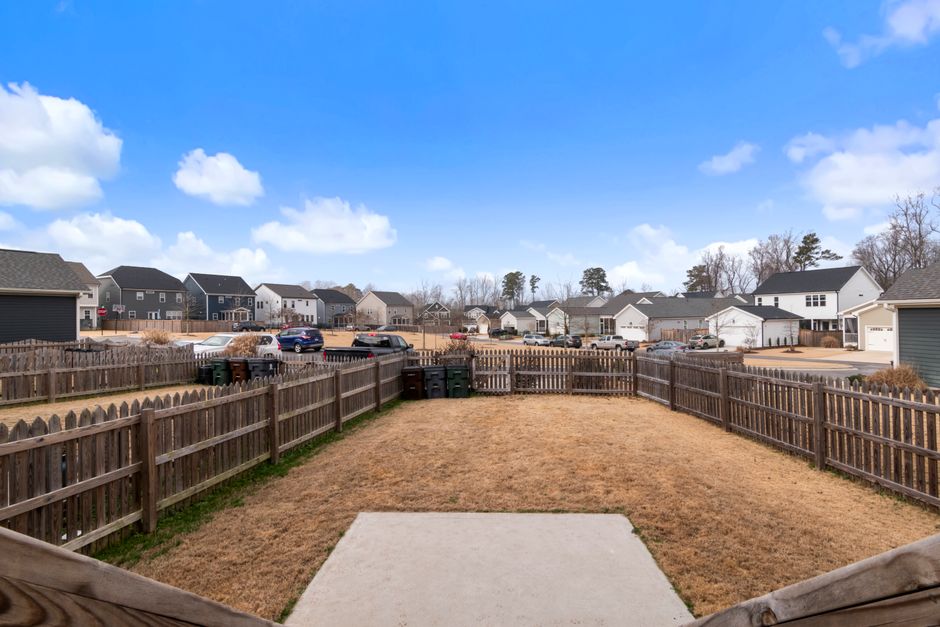
Whether a fence needs a permit in the Chippewa Valley depends entirely on which city or village the property sits in. Wisconsin has no statewide fence-height, setback, or permit statute for residential fencing — the state's Uniform Dwelling Code never uses the word "fence." That leaves the permit question to each municipality's own zoning code, and the six communities covered on this site — Eau Claire, Chippewa Falls, Altoona, Menomonie, Lake Hallie, and Fall Creek — each set their own trigger for when a permit is required.
Below is a rule-by-rule look at each one. Municipal codes are amended from time to time, so treat this as a starting point and confirm the current requirement with the municipality's own zoning or building department before you start a project. For a broader look at how permit rules, height limits, and setback requirements fit together for fence installation across the Chippewa Valley, see fence installation.
Eau Claire
Eau Claire's Land Development Ordinance requires a permit for any fence that is both 10 feet or longer and more than 30 inches tall — both conditions have to be met before the permit requirement kicks in. A short run of fence under that length, or a low fence under 30 inches, may fall outside the requirement; a fence that clears both thresholds does not. The same permit requirement applies to any retaining wall or wall system taller than 30 inches. This is set out in Eau Claire LDO §17.04.01(B)(1), part of the ordinance that took effect October 1, 2025.
Because the ordinance is relatively new, some information found elsewhere online may still reference an older, superseded version. When in doubt, check the current LDO text directly or call the city's community development department.
Chippewa Falls
Chippewa Falls requires a fence permit with a $40 fee, regardless of height, under the city's Zoning Code §17.08(11). Unlike Eau Claire's two-part trigger, Chippewa Falls doesn't exempt short or narrow fences from the permit step — the permit applies to the project, not just to fences that cross a height or length line.
Altoona
Altoona's Municipal Code §19.56.070(C) requires a permit and fee for residential fence installation. The code also sets separate height limits by yard type (covered in more detail elsewhere on this site), but the permit obligation itself applies before those height rules come into play.
Menomonie
Menomonie's City Code §10-4-5(F)(6) lays out height and setback figures for residential fences by yard type, but the specific permit trigger for a given project is best confirmed directly with the city's zoning department — the dimensional section of the code doesn't spell out a permit threshold the way Eau Claire's or Chippewa Falls's ordinances do.
Lake Hallie
Lake Hallie requires a fence permit under its Title 14 Zoning Ordinance. In residential districts, a fence permit application needs to account for the village's height limits — 6 feet on side and rear yards, 48 inches in the front yard — before it's submitted (Village of Lake Hallie Title 14 Zoning Ordinance §70-107(g)(4)).
Fall Creek
Fall Creek requires a fence permit with a $25 fee, using an application that also asks for a site plan and confirms the property owner has contacted Diggers Hotline before digging (Village of Fall Creek Fence Permit).
Why this varies so much by town
Most homeowners assume fence rules are set at the state level, the way building codes for electrical or plumbing work often are. Fencing is different: because Wisconsin's Uniform Dwelling Code doesn't address fences at all, every city and village in the Chippewa Valley has written its own standalone rule, and those rules don't line up with each other. A permit trigger based on length and height in one city might be a flat requirement in the next, and a neighboring village might have no published figure at all. That's exactly why a project that looks identical on paper — say, a 6-foot privacy fence along a side yard — can be permit-exempt in one town and require a permit application, a fee, and an inspection in the town next door.
What this means for your project
The safest first step in any Chippewa Valley fence project is a call or visit to the local zoning or building department for the specific municipality where the work will happen, not an assumption carried over from a different town's rules or from a neighbor's project. Ask specifically about the permit trigger (height, length, or both), the fee, and whether the fence's planned location near a property line, easement, or right-of-way changes anything. Bring the property's plat map or survey if you have one; it makes the conversation faster and reduces the chance of a mismatch between what's permitted and what actually gets built.
For a full breakdown of permit rules, height limits, and other requirements that apply across the Chippewa Valley, see fence installation.